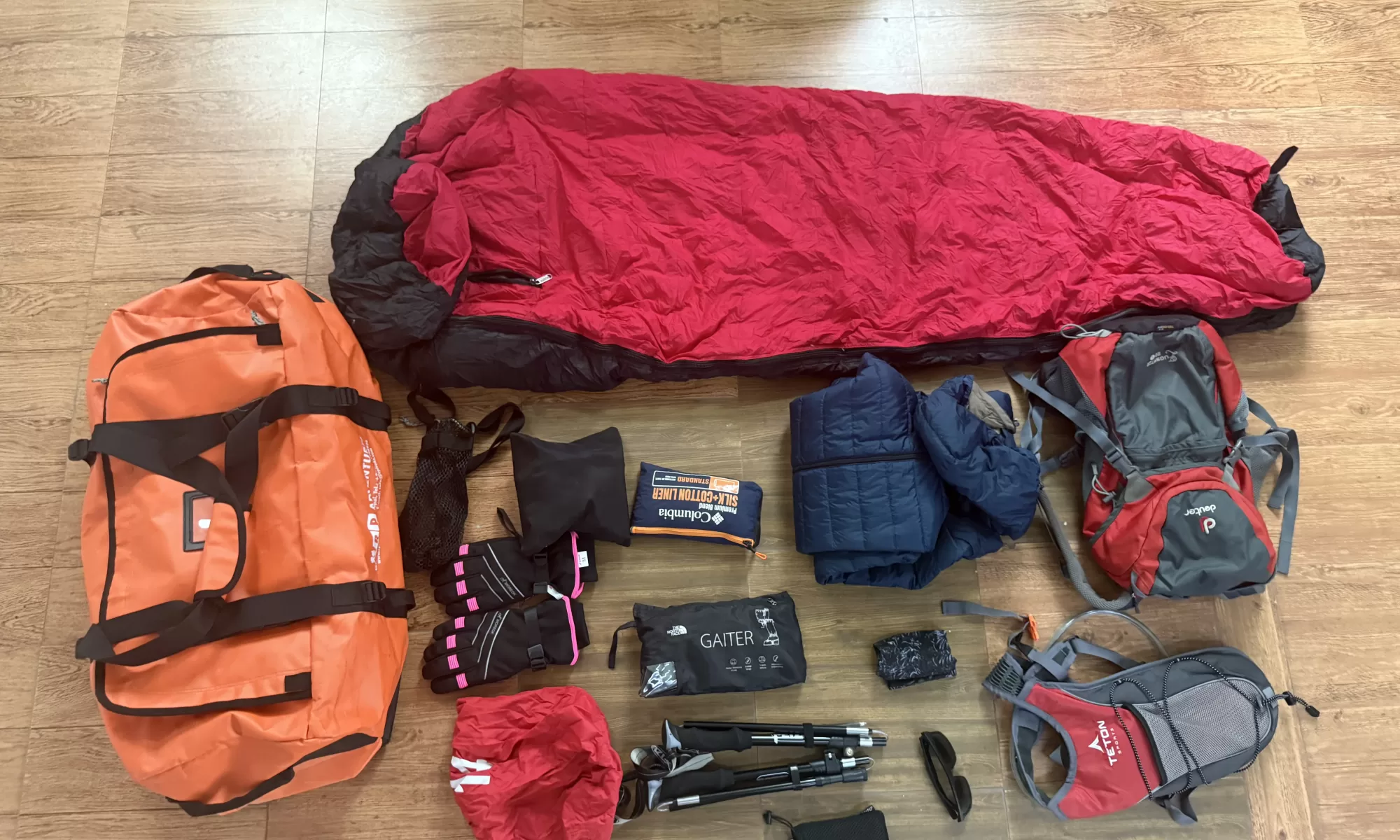
Preparing for the Manaslu Circuit Trek can feel overwhelming, especially when you’re trying to figure out what to pack for a trek that takes you from subtropical forests to high-altitude snowy passes. The good news? We’ve got you covered. This packing guide is based on real trekking conditions in the Manaslu region and will help you pack smart, not heavy.
Why Packing Right Matters for Manaslu Circuit Trek
The Manaslu Circuit Trek is no ordinary walk in the park. You’ll start at just 710 meters and climb all the way up to the Larkya Pass at 5,179 meters. That’s a massive elevation gain, which means you’ll experience everything from warm tropical forests to freezing alpine conditions – sometimes all in a single day.
Packing properly isn’t just about comfort. It’s about safety and managing fatigue. Carrying unnecessary items will slow you down and tire you out faster. Forgetting essential gear could put you in a risky situation at high altitude. The key is finding the right balance: bring what you need, leave behind what you don’t.
If you hire a porter (which we highly recommend), they’ll typically carry up to 20 kilograms of your gear. This means you can be more flexible with what you pack. However, porters have weight limits for a reason, so it’s still important to pack thoughtfully.
Essential Headgear: Protecting Your Head and Eyes
Your head takes a beating during high-altitude trekking. It’s exposed to intense sun, wind, cold, and dust. Protecting it should be a priority.
Sunglasses
Don’t underestimate the power of the sun at altitude. At higher elevations, UV rays are much stronger, and reflecting off snow can cause serious eye damage if you’re not careful. Snow blindness is a real condition that can develop quickly, so invest in a pair of quality sunglasses with 100% UV protection. Look for ones that offer side coverage to block light coming from the edges.
Your sunglasses should be polarized if possible, as this reduces glare significantly. Bring a backup pair in case you lose or damage your primary glasses.
Head Scarf or Neck Gaiter
A lightweight head scarf or neck gaiter is incredibly versatile on the Manaslu trek. Use it to protect your face and neck from intense sun at lower elevations, shield yourself from dusty village paths, and keep your head warm during cold mornings and evenings. Many trekkers wear theirs as a bandana during the day and wrap it around their neck at night for extra warmth.
Headlamp or Head Torch
If you plan to trek early in the morning or late in the evening, a headlamp is essential. Many trekkers start walking before sunrise to reach tea houses at a comfortable time. A lightweight LED headlamp is perfect for this and takes up minimal space in your pack. Make sure you bring extra batteries or a rechargeable version.
Woolen Hat
Once you hit higher elevations, a warm beanie or woolen hat becomes non-negotiable. You lose a significant amount of body heat through your head, so keeping it covered is crucial for staying warm during cold nights. Choose one that covers your ears fully. A merino wool hat is ideal because it insulates even when wet and doesn’t feel bulky.
Clothing System: Layering for Success
The golden rule of high-altitude trekking is layering. You’ll be taking clothes on and off constantly as you climb, move around camp, and adjust to changing weather. Think in terms of three layers: a moisture-wicking base, an insulating middle layer, and a protective outer shell.
Base Layer: Moisture-Wicking Underwear
Bring 3-4 pairs of underwear for a trek of this length. Choose moisture-wicking materials like merino wool or synthetic blends rather than cotton. Cotton absorbs sweat and takes forever to dry, leaving you feeling cold and damp. You don’t need luxury brands here—affordable synthetic underwear from outdoor retailers works just fine.
Lightweight T-Shirts
Pack 2-3 lightweight, breathable t-shirts. At lower elevations, you’ll appreciate how much cooler they keep you. Look for materials that wick moisture away from your skin. Avoid heavy cotton t-shirts; they trap sweat and are bulky to carry. Most people bring one to wear while the others dry out after washing.
Fleece or Mid-Layer Jacket
A fleece jacket serves as your insulating layer. It traps body heat without adding too much weight or bulk. Fleece is also quick-drying, which is important because you never know when you might get caught in unexpected rain or snow. Wear it over your base layer and under your outer shell when things get cold.
Core Jacket: Your Outer Shell
This is the most important piece of clothing for the Manaslu Circuit Trek. Since you’re heading above 5,000 meters—well into the alpine zone where it approaches polar conditions—a quality down or synthetic insulated jacket is absolutely essential. Your core jacket needs to be:
- Windproof: Wind strips away heat rapidly at altitude
- Waterproof: Weather at high elevations is unpredictable
- Warm: Rated to handle temperatures well below zero
Down jackets offer excellent warmth-to-weight ratio, but synthetic insulated jackets work better if you’re caught in wet conditions. Consider bringing a down jacket as your primary and a lightweight synthetic for backup if you pack efficiently.
Trekking Trousers
Pack at least two pairs of trekking trousers: one lightweight pair for warmer days and one waterproof pair for protection against rain and wind. Waterproof trousers are especially important in the Himalayas where weather can change within minutes. Your trousers should have:
- Durable fabric that won’t tear on rough terrain
- Adequate ventilation so you don’t sweat excessively
- Pockets for small items like sunscreen or energy bars
Avoid jeans entirely. They’re heavy, don’t dry quickly, and restrict movement.
Thermal Bottoms
Once you reach higher elevations, wearing thermal leggings or thermal underwear under your trekking trousers makes an enormous difference. Bring one pair of lightweight thermals for mid-elevation sections and one pair of heavier thermals for above 4,000 meters.
Hand and Foot Protection: Comfort at Altitude
Your extremities are always the first to get cold at altitude. Protecting your hands and feet is critical for comfort and safety.
Inner Gloves
Start with lightweight woolen inner gloves rather than cotton, which doesn’t insulate when wet. Merino wool inner gloves are perfect because they keep your hands warm without being bulky. You’ll wear these throughout the trek at higher elevations.
Outer Gloves
Your outer gloves are your defense against freezing temperatures and wind. Waterproof gloves are strongly recommended because your hands might get wet from snow, rain, or even just sweat during cold climbs. Some trekkers prefer mittens for maximum warmth, though they’re less convenient for handling gear and taking photos. Choose whichever you’re more comfortable with.
Lightweight Inner Socks
Bring 2-3 pairs of lightweight synthetic or wool blend socks. These wick moisture better than cotton and keep your feet dry throughout the day. You’ll change into fresh socks in the evening, so having multiple pairs is important.
Woolen Socks
Pack 2-3 pairs of thick woolen socks specifically for sleeping and evening wear. These keep your feet incredibly warm at night when your body temperature naturally drops. Some trekkers wear woolen socks to bed inside the sleeping bag for extra warmth.
Hiking Boots
Invest in a good pair of trekking boots. Your boots are the one piece of gear that can make or break your entire trek. Break them in at home before you arrive in Nepal. Look for boots that are:
- Lightweight but supportive (you’ll appreciate this after walking all day)
- Waterproof or at least water-resistant
- Insulated for higher elevations
- Comfortable with the socks you’re bringing
A common mistake is bringing sports shoes thinking they’ll be enough. While you technically can trek in sports shoes, proper hiking boots provide ankle support and better grip on steep terrain. The extra traction can prevent falls on slippery sections, especially above 4,000 meters where trails can be icy or snowy.
Trekking Sandals
A pair of lightweight sandals or flip-flops makes tea house life much more comfortable. Your feet need a break from boots in the evening. Sandals are also useful for crossing water crossings without getting your boots wet.
Sleep System: Staying Warm at Night
Sleeping Bag
A quality sleeping bag is absolutely essential for the Manaslu Circuit Trek. While most tea houses provide blankets, they’re usually not warm enough for comfortable sleep, especially at higher elevations like Samdo and Dharmasala where nighttime temperatures regularly drop below freezing.
Look for a sleeping bag rated for at least -10°C. This gives you a safety margin on those unexpectedly cold nights. Down sleeping bags offer better warmth-to-weight ratio, but synthetic bags are more affordable and work better in wet conditions.
Sleeping bags can be rented or purchased in Kathmandu if you don’t want to bring your own, but having your own ensures better hygiene and comfort. If you’re trekking during winter (December-February), consider a bag rated for -15°C or colder.
Sleeping Pad
Many people overlook this, but a sleeping pad is just as important as a sleeping bag. Heat escapes through the bottom when you lie on cold ground. A lightweight foam pad or inflatable pad provides insulation between you and the tea house bed. It also adds cushioning for more comfortable sleep on harder mattresses.
Important Documents and Permits
Don’t forget the paperwork. You’ll need:
- Your passport (and a photocopy kept separately)
- Trekking permit documentation
- Travel insurance documents
- Any visa documentation
Keep these in a waterproof bag or document folder. Take photos or scans and email them to yourself as backup. If something happens to your documents, you’ll need proof of what you had.
First Aid and Medical Kit
Being self-sufficient with basic medical supplies is smart when you’re in remote areas. While there are medical clinics in larger villages, carrying your own supplies means you’re never caught off guard. Bring:
- Anti-diarrhea medication
- Pain relief tablets (paracetamol or ibuprofen)
- Altitude sickness medication (discuss with your doctor before the trek)
- Cough medicine and throat lozenges
- Water purification tablets as backup
- Blister treatment supplies
- Antihistamine for allergies
- Broad-spectrum antibiotic cream
- Elastic bandage for sprains
- Thermometer
Talk to your doctor about getting a prescription for altitude sickness medication before you leave home. Over-the-counter options exist, but prescription-strength medication is often more effective.
Toiletries and Personal Hygiene
Your hygiene items should be minimal but sufficient. Tea houses provide limited water, especially at higher elevations, so pack accordingly:
- Toothbrush and toothpaste (biodegradable toothpaste is better for the environment)
- Biodegradable soap for bathing
- Shampoo bar (more compact than liquid shampoo)
- Sunscreen (SPF 50 or higher—the sun is intense at altitude)
- Lip balm with SPF
- Moisturizer (high altitude air is very dry)
- Deodorant
- Toilet paper and hand sanitizer
- Anti-bacterial hand wash
- Feminine hygiene products if needed
Many small villages along the route have basic shops where you can buy supplementary items if you run out. However, stock up in Kathmandu for things like quality sunscreen and specific brands you prefer.
Electronics: Smart Choices for Remote Trekking
Phone and Charger
You’ll have cellular service in villages, though it can be unreliable. A portable power bank is extremely useful because charging opportunities are limited at higher elevations. Solar chargers work during the day if you’re patient, but they’re not as reliable as power banks.
Keep your phone in airplane mode most of the time to save battery. You don’t need constant connectivity while trekking—in fact, disconnecting is part of the experience.
Camera
If you want to capture photos, bring a lightweight camera. Many people just use their phones, which is perfectly fine. Make sure you have enough storage and extra batteries.
Headlamp Battery or Charger
Bring extra batteries for your headlamp unless you have a rechargeable version with a portable charger. Some tea houses have charging ports (usually USB powered from generators), but don’t rely on this.
Optional Items That Enhance Your Experience
Trekking Poles
Trekking poles reduce strain on your knees during downhill sections and help you maintain balance on steep terrain. They also help you move faster uphill. Lightweight aluminum poles are worth their minimal weight.
Daypack
A small daypack (15-20 liters) is perfect for carrying items during the day while your porter carries the main load. Use it for water bottle, snacks, sunscreen, and a light jacket.
Water Bottle
A 1-liter insulated water bottle keeps your water cool and won’t freeze at high elevations like plastic bottles do. Many trekkers refill at tea houses instead of carrying heavy water.
Snacks and Energy Food
Bring some of your favorite snacks from home: granola bars, nuts, dried fruit, chocolate. Tea houses provide meals, but having familiar snacks is comforting and provides quick energy during the day.
Notebook and Pen
If you enjoy journaling or taking notes about your experience, bring a small notebook. It weighs almost nothing and can be a wonderful keepsake after the trek.
Entertainment
A book, e-reader, or audiobook is great for rest days and evenings at tea houses. Some people enjoy yoga or meditation at high altitude.
Quick-Dry Towel
Tea houses rarely provide towels, so bring a lightweight microfiber towel that dries quickly. Look for one specifically designed for trekking.
Weight Management: The Art of Packing Light
If you’re hiring a porter who carries up to 20 kilograms, you can pack more comfortably. However, even with porter support, every kilogram you reduce makes the trek more enjoyable. You’ll appreciate the lighter load when climbing steep sections.
Pack your main hiking gear and heavier items in your main backpack. Your porter carries this. Keep only essentials in your daypack: water, snacks, sunscreen, a light jacket, and a camera.
Avoid packing “just in case” items. If something weighs a lot and you’re unsure if you’ll use it, leave it behind. You can usually find what you need in Kathmandu or along the trek.
Seasonal Packing Adjustments
Autumn (September-November)
The best season for trekking brings clearer skies and more stable weather. Pack lighter insulation since temperatures are relatively mild. You’ll still need a down jacket for high elevations, but you can skip some extra thermal layers.
Winter (December-February)
Winter brings the coldest temperatures and potential snow at high elevations. Pack heavier thermal layers, insulated boots rated for extreme cold, and a down jacket rated for -15°C or lower. Bring extra gloves and socks. Many tea houses reduce operations in winter, so check availability before committing.
Spring (March-May)
Spring offers pleasant daytime temperatures but can be windy. Pack a good windproof jacket and lighter insulation. Some afternoon thunderstorms occur, so waterproof gear is essential.
Summer (June-August)
Summer is the rainy season, bringing high humidity, afternoon thunderstorms, and muddy trails. Pack very good waterproof gear and allow for longer drying times. Higher elevations might still have snow from winter. This season is least popular for trekking.
Items You Can Buy or Rent in Kathmandu
You don’t need to pack everything from home. Kathmandu has excellent outdoor gear shops where you can buy or rent items:
- Sleeping bags (rental is cheaper than buying if you trek only once)
- Down jackets
- Thermal layers
- Trekking boots
- Trekking poles
- Headlamps
- Duffle bags for porter loads
- Basic medications
- Toiletries
Renting gear in Kathmandu costs a fraction of buying, making it perfect if this is your first high-altitude trek. Many rental shops are concentrated in the Thamel district, and shop owners are knowledgeable about what works well on the Manaslu route.
Building Your Packing Checklist
Here’s a quick summary organized by category:
Headgear:
- Sunglasses with UV protection
- Head scarf or neck gaiter
- Headlamp with extra batteries
- Woolen beanie
Clothing:
- 3-4 pairs underwear
- 2-3 lightweight t-shirts
- Fleece or mid-layer jacket
- Insulated down or synthetic jacket
- 2 pairs trekking trousers (one lightweight, one waterproof)
- Thermal underwear (2 pairs)
Hands and Feet:
- Inner wool gloves
- Waterproof outer gloves
- 3 pairs lightweight socks
- 3 pairs woolen socks
- Quality hiking boots
- Sandals for camp
Sleep System:
- Sleeping bag (-10°C rated minimum)
- Sleeping pad
Health and Hygiene:
- First aid kit with medications
- Toothbrush and paste
- Sunscreen and lip balm
- Soap and shampoo
- Toilet paper and hand sanitizer
Documents:
- Passport and copies
- Permits and insurance documents
Electronics:
- Phone and charger
- Power bank
- Headlamp batteries
Optional but Recommended:
- Trekking poles
- Small daypack
- Water bottle
- Snacks
- Quick-dry towel
- Notebook
Special Note from Around Manaslu Trek
If you choose Around Manaslu Trek as your trekking partner, we provide several items included with our packages, ensuring you have everything needed for a safe and comfortable experience. Our standard inclusions typically feature a quality sleeping bag, insulated down jacket, and a duffle bag for your porter load. This means you can pack even lighter knowing these essentials are already covered.
Our guides also have years of experience and can advise you on adjustments based on current weather conditions and your personal preferences. We’ve learned what works best on this specific route from hundreds of successful treks.
Frequently Asked Questions About Packing for Manaslu Circuit Trek
How much weight should my backpack weigh?
Your personal daypack should weigh between 8-12 kilograms when fully loaded. If you hire a porter, they handle the rest. Even then, heavier isn’t better—keep your daypack as light as possible for comfortable walking.
Can I wear regular running shoes instead of hiking boots?
While some trekkers do hike in running shoes, it’s not ideal. Proper hiking boots provide ankle support and better grip on steep, potentially slippery terrain. The ankle support becomes especially important at high elevations where fatigue might increase injury risk.
What should I pack if I’m prone to altitude sickness?
Bring medication prescribed by your doctor, and discuss your concerns with your trekking company before booking. Acclimatization is the best prevention—taking time to adjust to altitude reduces risks significantly. Many trekkers take their first dose of altitude medication at Arughat or Salleri to get ahead of symptoms.
Is a sleeping pad really necessary if the tea house has a bed?
Yes, absolutely. Tea house beds are often thin mattresses with little insulation. Without a sleeping pad, body heat dissipates through the bottom, leaving you cold and uncomfortable. A lightweight pad costs almost nothing and weighs little but makes a huge difference.
Can I rent a sleeping bag in Kathmandu?
Yes, many shops rent quality sleeping bags for reasonable daily rates. Rental is perfect if you trek infrequently. If you plan multiple treks, buying becomes more economical.
What’s the weather like at different elevations?
Lower elevations (710-2,000m) are warm and humid, similar to spring weather. Mid-elevations (2,000-3,500m) are cool with variable conditions. Higher elevations (3,500-5,179m) are cold, with temperatures regularly below freezing at night.
Should I bring a rain jacket?
Your outer shell jacket should be waterproof. In spring and summer, afternoon thunderstorms are common. In autumn and winter, snow is possible at high elevations. A waterproof outer layer is non-negotiable, not optional.
How many pairs of underwear should I bring?
Three to four pairs is standard for a two-week trek. You’ll wash some during the trek if you want, or simply change into fresh ones daily. Most trekkers hand-wash underwear in their tea house room during rest days.
Is trekking insurance required?
Insurance isn’t legally required, but it’s absolutely essential. High-altitude trekking carries risks. Good travel insurance covers emergency evacuation by helicopter if needed, which can cost thousands of dollars without coverage. Buy comprehensive coverage that includes high-altitude trekking.
What electronics should I definitely bring?
A phone (for communication in villages), a power bank (for charging), and a headlamp with batteries (for early morning or evening trekking). Everything else is optional based on your interests.
When should I arrive in Kathmandu before starting the trek?
Arrive at least 2-3 days early. This gives you time to buy or rent any last-minute gear, acclimatize slightly, and prepare mentally for the trek ahead. It also prevents you from starting tired from travel.
Final Thoughts: Pack Smart, Trek Happy
The Manaslu Circuit Trek is one of Nepal’s most rewarding trekking experiences. With proper packing, you’re already halfway to having an amazing adventure. Remember, this isn’t about having everything—it’s about having the right things for where you’re going.
Take time to thoughtfully consider each item. Does it serve a purpose? Will you actually use it? Can it handle the conditions you’ll face? If the answer is yes to all three, it deserves a place in your pack.
Many new trekkers worry about forgetting something important. Honestly, if you pack according to this guide, you’ll have everything you need. And even if you forget something minor, the friendly communities along the Manaslu route have surprised many trekkers with their resourcefulness and willingness to help.
Happy packing, and we hope to see you on the Manaslu Circuit Trek soon. It’s an adventure that will stay with you forever.