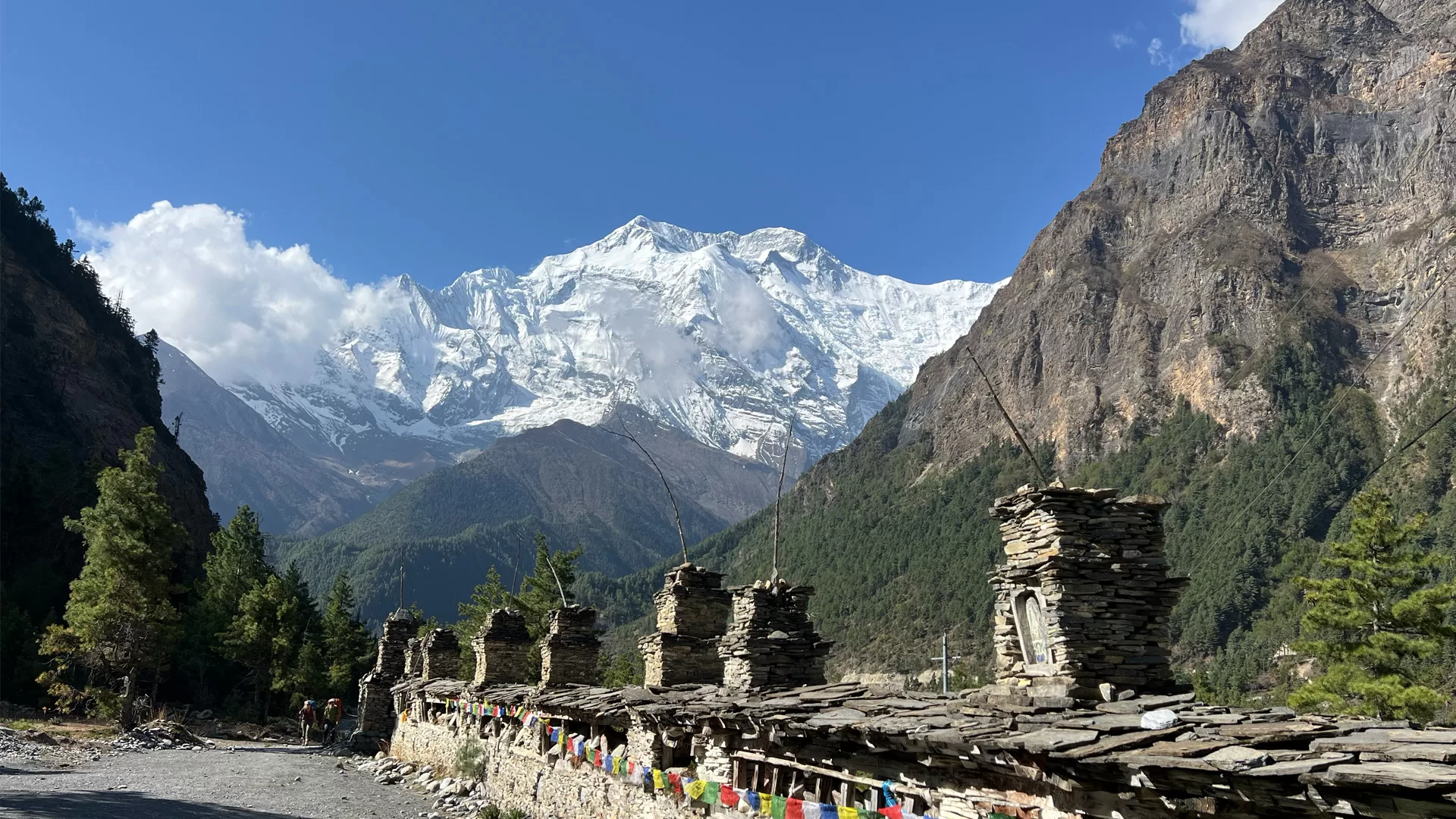
The Manaslu and Annapurna circuit trek represents one of Nepal’s most extraordinary long-distance Himalayan trek experiences, seamlessly connecting two of the country’s most celebrated circuits into a single epic circuit trek adventure. This Annapurna Manaslu combined adventure offers trekkers the unique opportunity to experience the remote Nepal trekking trails of the Manaslu Circuit Trek alongside the classic routes of the Annapurna Circuit Trek, creating an unforgettable mountain experience that spans over three weeks of diverse terrain and cultural immersion.
This 23-day combined circuit trek is ideal for experienced adventurers seeking the ultimate challenging trekking in Nepal. The journey takes explorers through pristine glacial valleys Nepal, ancient Buddhist monasteries Nepal, and across two of the most spectacular high mountain passes Nepal has to offer. For those planning their Annapurna and Manaslu Trek 2026 | 2027, this comprehensive guide provides everything needed to embark on this life-changing trek Nepal.
The trek uniquely combines the off-the-beaten-path Nepal experience of the Manaslu region with the well-established infrastructure of the Annapurna region, offering trekkers both wilderness and solitude alongside comfortable traditional teahouse lodging. This multi-pass trek Nepal serves as a significant section of the Great Himalayan Trail (GHT) section, making it a bucket-list adventure for serious trekkers.
Why Combine Manaslu and Annapurna Circuits?
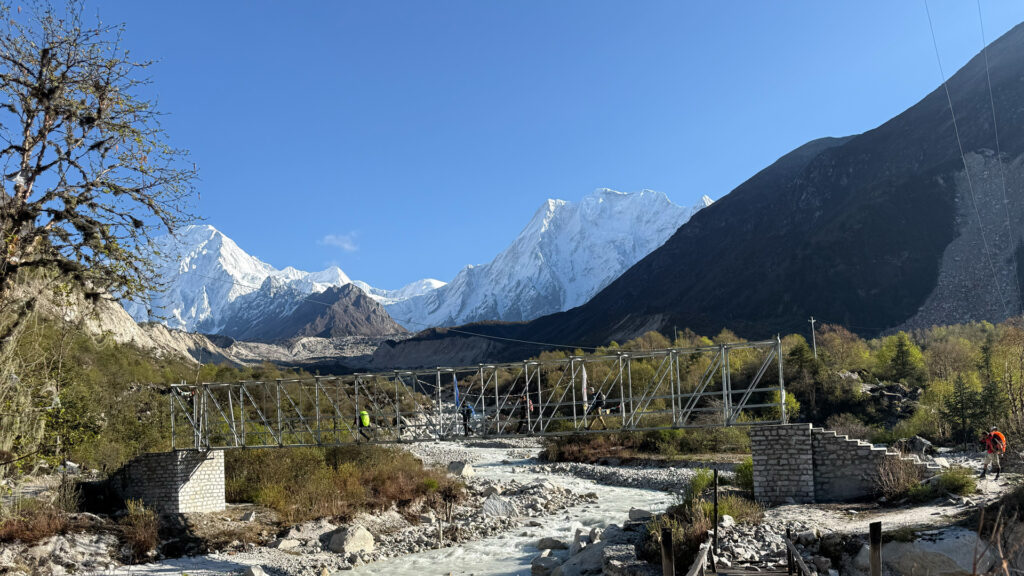
The decision to undertake both circuits as a single Manaslu Annapurna trek package offers unparalleled diversity that cannot be experienced through individual treks. The ethnic culture in Manaslu region provides an authentic glimpse into Gurung and Tibetan villages that remain largely untouched by mass tourism, while the Annapurna region offers the comfort and cultural richness of more developed mountain communities.
This Annapurna region exploration combined with the Manaslu Circuit creates fascinating contrasts in landscapes and cultural experiences. Trekkers begin their journey in the remote Budhi Gandaki River Valley, experiencing true wilderness and solitude, before transitioning into the bustling trails of the Kali Gandaki Valley. The Tibetan border trek sections of Manaslu offer profound cultural immersion trek opportunities, especially in villages like Sama Gaon and Samdo.
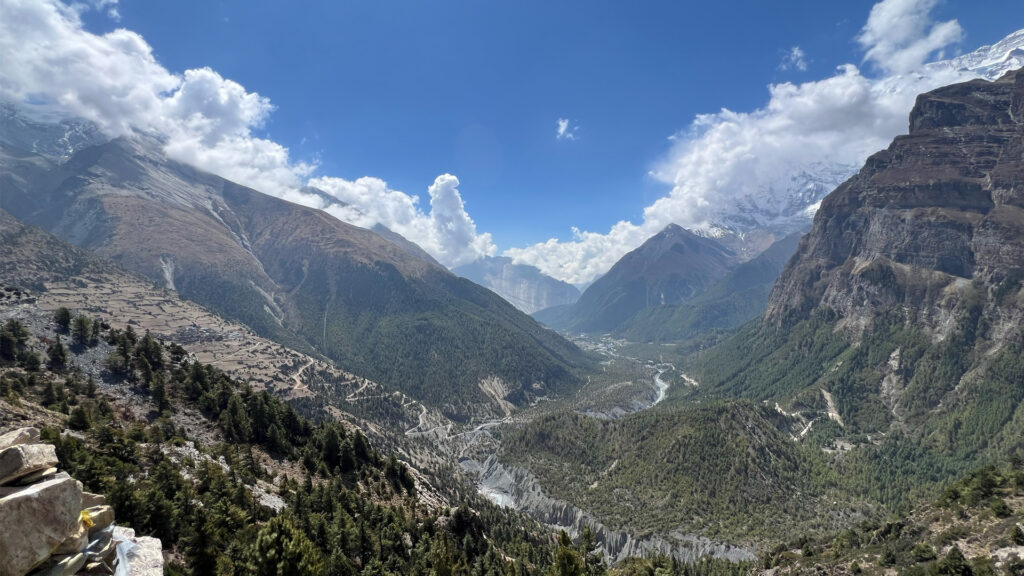
The adventure trekking Nepal experience is enhanced by crossing two magnificent passes: the Larkya La Pass Trek at 5,160 meters and the Thorong La Pass Trek at 5,416 meters. This Himalayan acclimatization trek allows adventurers to conquer Nepal’s great passes while building endurance and confidence throughout the journey.
The extended nature of this customizable trekking itinerary provides ample opportunities for spiritual journey in the mountains, allowing trekkers to disconnect from modern life and connect deeply with the natural world and local cultures.
Highlights of Manaslu and Annapurna Circuit Trek
Spectacular Mountain Views
The panoramic mountain views throughout this trek are simply breathtaking. Trekkers enjoy close encounters with Mt. Manaslu (8163m), the world’s eighth-highest peak, and Mt. Annapurna (8091m), the tenth-highest. The journey also provides stunning vistas of Mt. Dhaulagiri (8167m), Mt. Hiunchuli, Tilicho Peak, Pisang Peak, Gangapurna, Nilgiri, Ganesh Himal, and Siringi Himal.
The view from Larkya La Pass offers one of the most spectacular Himalayan glacier views in Nepal, with a 360-degree panorama of snow-capped peaks stretching to the horizon. Similarly, the view from Thorong La Pass provides magnificent scenic Himalayan landscapes that include the entire Annapurna range and the deep Kali Gandaki Valley below.
Cultural and Religious Experiences
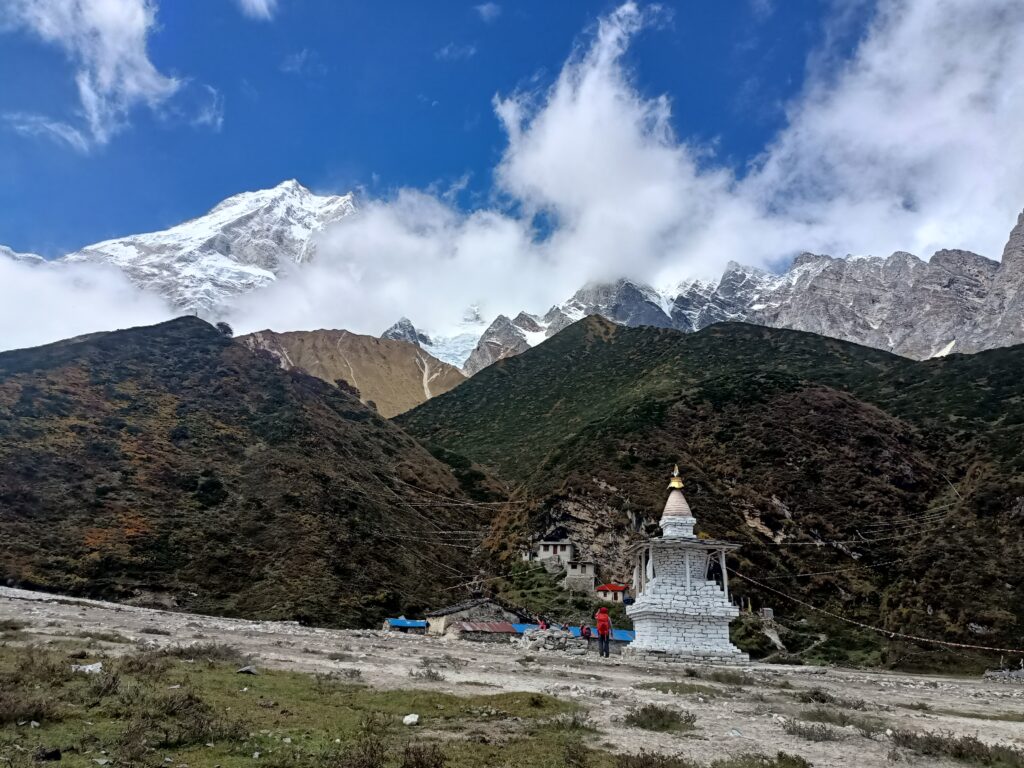
The trek encompasses significant religious and cultural sites, including the sacred Muktinath Temple with its famous 108 water spouts Muktinath. This Himalayan pilgrimage site attracts both Hindu and Buddhist devotees from around the world. The journey through various Buddhist monasteries Nepal provides insights into Tibetan Buddhism, particularly at Pungen Gompa and other monastery stops along the route.
The stunning Birendra Lake offers a serene setting for reflection and photography, while the diverse ethnic culture in Manaslu region showcases traditional lifestyles that have remained largely unchanged for centuries.
Natural Wonders
The trek traverses through various ecosystems, from subtropical forest trekking in lower elevations to alpine meadows and glacial moraines at higher altitudes. The route includes dramatic mountain ridges and gorges, particularly the world’s deepest gorge – the Kali Gandaki Gorge.
For those seeking additional adventure, optional extensions include natural hot springs at Tatopani, providing perfect relaxation after weeks of trekking through challenging terrain.
Route Overview
Starting and Ending Points
The Manaslu Annapurna Circuit itinerary typically begins with a Kathmandu to Machha Khola drive, marking the start of the Manaslu Circuit via Machha Khola route. The journey concludes either in Jomsom or Nayapul, depending on the chosen exit strategy and Pokhara to Kathmandu return preferences.
Major Route Sections
- Manaslu Section: The first portion follows the Budhi Gandaki River Valley, progressing through Machha Khola, Jagat, Deng, Namrung, Lho, Samagaun (Sama Gaon), Samdo, Dharmashala, across Larkya La Pass, and down to Bimthang.
- Linking Region: The crucial Dharapani to Chame trail connects the two circuits, providing a transition from the remote Manaslu region to the more developed Annapurna region.
- Annapurna Section: The final portion covers Pisang, Manang, Yak Kharka, Thorong Phedi, Thorong La Pass, Muktinath, and concludes in Jomsom.
This route design ensures trekkers experience the full spectrum of scenic Himalayan landscapes, from isolated glacial valleys Nepal to bustling mountain towns with established trekking infrastructure.
Detailed Itinerary
Pre-Trek Preparation (Days 1-2)
- Day 1: Arrival in Kathmandu, permit processing, gear check
- Day 2: Kathmandu to Machha Khola drive (8-9 hours)
Manaslu Circuit Section (Days 3-12)
Days 3-7: Acclimatization and Valley Ascent
- Day 3: Machha Khola to Jagat
- Day 4: Jagat to Deng
- Day 5: Deng to Namrung
- Day 6: Namrung to Lho
- Day 7: Lho to Samagaun
Days 8-9: Acclimatization in Sama Gaon and Manang
- Day 8: Rest day in Samagaun with optional hikes
- Day 9: Samagaun to Samdo
Days 10-12: High Pass Crossing
- Day 10: Samdo to Dharmashala (Larkya Base Camp)
- Day 11: Larkya La Pass Trek – Dharmashala to Bimthang via Larkya La (5,160m)
- Day 12: Bimthang to Dharapani
Transition and Annapurna Circuit (Days 13-23)
Days 13-17: Dharapani to Chame trail and Annapurna Ascent
- Day 13: Dharapani to Chame
- Day 14: Chame to Pisang
- Day 15: Pisang to Manang
- Day 16: Acclimatization in Manang (rest day)
- Day 17: Manang to Yak Kharka
Days 18-21: Thorong La Pass Trek Section
- Day 18: Yak Kharka to Thorong Phedi
- Day 19: Thorong La Pass Trek – Thorong Phedi to Muktinath via Thorong La (5,416m)
- Day 20: Explore Muktinath Temple and 108 water spouts Muktinath
- Day 21: Muktinath to Jomsom
Days 22-23: Return Journey
- Day 22: Local transport to trailheads – Jomsom to Pokhara (flight or Bus/jeep)
- Day 23: Pokhara to Kathmandu return
Price Includes
- Airport transfers – pickup and drop off
- Boutique hotel accommodation in Kathmandu with breakfast included (Optional:4/5 star hotel as per request on additional cost)
- 3 times (Full board) meal per day during the trek
- Seasonal Fruits
- Tea house accommodation during the trek (twin shared accommodation)
- All land transportation as per itinerary (Kathmandu to Machha Khola and Jomsom – Pokhara by local bus and Pokhara to Kathmandu by Tourist bus)
- A professional government licensed trekking guide
- A porter (A porter can carry up to 15 – 20 kg – 1 porter for 2 trekkers)
- All required permits (Restricted area permit, TIMS, Manaslu Conservation Area Permit, and Annapurna Conservation Area Permit)
- Travel and rescue arrangements only
- Duffel bag to carry your equipment and trekking map
- All necessary paper works
- Farewell dinner
- Basic medical kit
- All government and local taxes
Price doesn’t Include
- International airfares
- Lunch and Dinner in Kathmandu and Pokhara
- Private jeep (Kathmandu to Machha Khola and Jomsom to Pokhara drive)
- Tips for guide and porter
- All additional costs (such as beverages, shopping, etc)
- Travel and rescue insurance
- All the things not mentioned in the inclusion
Best Time to Trek
Spring Season (March-May)
Spring offers excellent conditions for this high altitude trekking Nepal adventure. The weather gradually warms, rhododendrons bloom in lower elevations, and mountain visibility improves significantly. This season provides ideal conditions for panoramic mountain views and comfortable traditional teahouse lodging experiences.
Autumn Season (September-November)
Autumn represents the peak season for challenging trekking in Nepal. Crystal-clear skies offer the best Himalayan glacier views and scenic Himalayan landscapes. The weather remains stable, and both high mountain passes Nepal typically have favorable crossing conditions.
Weather Considerations
During monsoon season (June-August), the lower elevations experience heavy rainfall, making trails slippery and leeches prevalent in subtropical forest trekking sections. Winter months (December-February) bring extreme cold and potential pass closures, particularly affecting the Larkya La Pass Trek and Thorong La Pass Trek sections.
The view from Larkya La Pass and view from Thorong La Pass are most spectacular during clear weather periods, making timing crucial for this unforgettable mountain experience.
Required Permits
Essential Permits for the Combined Trek
- Manaslu Restricted Area Permit (RAP): This special permit is mandatory for the Tibetan border trek sections and costs vary based on season and duration. The permit is required from September through November and March through May.
- Manaslu Conservation Area Permit (MCAP): Required for environmental conservation fees throughout the Manaslu region, supporting local conservation efforts and community development.
- Annapurna Conservation Area Permit (ACAP): Necessary for the Annapurna region exploration portion of the trek, this permit supports conservation and community development projects.
- TIMS Card: The Trekkers’ Information Management System card may be required depending on current regulations and guided trek Nepal arrangements.
Guide Requirements
The Manaslu Circuit via Machha Khola requires mandatory experienced local trekking guides and a minimum of one trekkers or registration through a licensed trekking agency. This regulation ensures safety in the remote Nepal trekking areas and supports local communities.
All trekking permits for restricted areas must be processed in Kathmandu through registered agencies, making advance planning essential for this epic circuit trek adventure.
Difficulty and Fitness Level
Physical Demands
This long-distance Himalayan trek demands excellent physical fitness and prior high altitude trekking Nepal experience. The 23-day combined circuit trek covers approximately 300+ kilometers of varied terrain, including steep ascents, rocky descents, and two major pass crossings above 5,000 meters.
Technical Challenges
While not technically demanding, the multi-pass trek Nepal requires strong endurance, mental determination, and the ability to conquer Nepal’s great passes. The Larkya La Pass Trek involves glacier walking and potential snow conditions, while the Thorong La Pass Trek can be affected by altitude and weather changes.
Recommended Preparation
Trekkers should engage in cardiovascular training, strength building, and altitude acclimatization if possible. Previous experience with adventure trekking Nepal or similar challenging trekking in Nepal is highly recommended. The Himalayan acclimatization trek nature of this journey requires patience and flexibility with the itinerary.
Altitude Considerations
The combination of wilderness and solitude with significant altitude gains requires careful attention to altitude sickness symptoms. Proper acclimatization in Sama Gaon and Manang is crucial for safely completing this self-confidence through adventure journey.
Accommodation and Food
Teahouse Lodging
The entire route offers traditional teahouse lodging with varying levels of comfort and amenities. In the remote Nepal trekking sections of Manaslu, accommodations are more basic but authentic, while the Annapurna section provides more developed facilities.
Dining Options
Meals range from traditional Nepali dal bhat to Tibetan and international cuisine. The cultural immersion trek experience is enhanced through local food experiences, particularly in Gurung and Tibetan villages where traditional recipes and preparation methods are preserved.
Amenities
Wi-Fi, charging facilities, and hot showers are available with varying reliability and additional costs. The off-the-beaten-path Nepal sections of Manaslu have limited connectivity, enhancing the spiritual journey in the mountains experience.
Food Safety
Experienced local trekking guides provide valuable advice on food safety and water purification throughout the glacial valleys Nepal and higher elevation areas where water sources may be limited.
Transportation Options
Access to Trailhead
The Kathmandu to Machha Khola drive typically takes 8-9 hours via local bus or private jeep. Road conditions vary seasonally, and the journey provides scenic views of terraced hillsides and rural Nepali life.
Return Transportation
From Jomsom, trekkers can choose between scenic flights to Pokhara (weather dependent) or overland jeep travel. The Pokhara to Kathmandu return can be completed via tourist bus, private vehicle, or domestic flight.
Local Transport
Local transport to trailheads within the trekking regions includes occasional jeep services, particularly in the Annapurna region. However, most of the Manaslu Circuit via Machha Khola requires walking from the initial trailhead.
Flexibility Requirements
Transportation in mountain regions requires flexibility due to weather conditions, road maintenance, and seasonal accessibility. Experienced local trekking guides help navigate these challenges and provide alternative arrangements when necessary.
Guided vs. Independent Trek
Mandatory Guide Requirements
The Manaslu Circuit Trek requires mandatory experienced local trekking guides and cannot be completed independently. This regulation ensures trekker safety in remote Nepal trekking areas and provides economic benefits to local communities.
Benefits of Guided Trekking
Guided trek Nepal services provide cultural interpretation, safety management, permit handling, and local knowledge essential for navigating the Tibetan border trek regions. Guides enhance the cultural immersion trek experience through language translation and cultural explanations.
Group Requirements
A minimum group of two is no longer required. Solo trekkers can obtain the required permit but must be accompanied by a licensed guide (Updated on 22 March 2026). This regulation supports the adventure trekking Nepal industry while ensuring adequate resources for emergency situations.
Independent Sections
While the Annapurna portion can be trekked independently, most trekkers continue with their guides for consistency and enhanced unforgettable mountain experience. The customizable trekking itinerary benefits from professional guidance throughout both circuits.
Cost Estimation
Permit Fees
Trekking permits for restricted areas vary seasonally:
- Manaslu RAP: $70-100 USD per person depending on season
- MCAP: $30 USD per person
- ACAP: $30 USD per person
- TIMS: $10-20 USD per person
Daily Expenses
Traditional teahouse lodging costs range from $5-15 USD per night, with higher prices at increased elevations. Meals cost approximately $15-25 USD per day, varying by location and menu choices.
Guide and Porter Fees
Experienced local trekking guides charge $25-35 USD per day, while porters cost $20-25 USD per day. These rates support local employment and ensure professional service standards.
Additional Costs
Equipment rental, local transport to trailheads, emergency evacuation insurance, and tips should be budgeted separately. The total Manaslu Annapurna trek package cost typically ranges from $2,000-4,000 USD per person depending on service levels and group size.
Essential Packing List
High-Altitude Gear
- Four-season sleeping bag rated to -15°C for high mountain passes Nepal
- Insulated down jacket for extreme cold conditions
- Waterproof and breathable shell jacket and pants
- Insulated pants for pass crossings
Trekking Equipment
- Quality trekking boots suitable for glacial valleys Nepal terrain
- Trekking poles for stability on varied surfaces
- Headlamp with extra batteries
- Water purification tablets or UV sterilizer
Clothing Layers
- Moisture-wicking base layers
- Insulating mid-layers (fleece or down)
- Sun hat and warm winter hat
- Glacier glasses and sunglasses
Technical Accessories
- Altitude sickness medication
- Comprehensive first aid kit
- Portable phone charger/power bank
- Camera equipment for panoramic mountain views
The challenging trekking in Nepal environment requires quality gear suited for extreme conditions and significant temperature variations between subtropical forest trekking areas and high altitude trekking Nepal zones.
Read More: Complete Guide to the Manaslu Circuit Trek Packing List.
Travel Insurance and Safety Tips
Insurance Requirements
Comprehensive travel insurance covering high altitude trekking Nepal above 5,000 meters is essential. Policies must include helicopter evacuation coverage for emergency situations in remote Nepal trekking areas where ground evacuation is impossible.
Altitude Sickness Prevention
Proper Himalayan acclimatization trek protocols include gradual ascent, adequate hydration, and recognition of altitude sickness symptoms. The acclimatization in Sama Gaon and Manang rest days are crucial for safe completion of this multi-pass trek Nepal.
Communication Protocols
Experienced local trekking guides maintain communication with base operations and emergency services. Satellite communication devices provide backup communication in areas without cellular coverage throughout the wilderness and solitude sections.
Emergency Procedures
Emergency evacuation procedures are well-established for both the Larkya La Pass Trek and Thorong La Pass Trek sections. Weather monitoring and flexible itinerary adjustments ensure safety during challenging conditions.
Health Precautions
Water treatment, food safety practices, and personal hygiene become crucial during the extended 23-day combined circuit trek. Regular health monitoring by guides helps identify and address issues before they become serious.
Responsible and Eco-Friendly Trekking
Leave No Trace Principles
The Great Himalayan Trail (GHT) section requires strict adherence to leave-no-trace principles. Pack out all waste, avoid single-use plastics, and respect the pristine nature of glacial valleys Nepal and scenic Himalayan landscapes.
Community Support
Supporting traditional teahouse lodging and local services ensures economic benefits reach mountain communities. Purchase local products and services whenever possible during the cultural immersion trek experience.
Environmental Conservation
Respect Buddhist monasteries Nepal, Himalayan pilgrimage site protocols, and local customs throughout Gurung and Tibetan villages. Follow designated trails to minimize environmental impact in fragile high mountain passes Nepal ecosystems.
Cultural Sensitivity
The ethnic culture in Manaslu region requires respectful interaction with local communities. Learn basic greetings, respect photography restrictions, and follow guidance from experienced local trekking guides regarding cultural protocols.
Wildlife Protection
The diverse ecosystems from subtropical forest trekking to alpine zones support various wildlife species. Maintain safe distances from animals and avoid feeding wildlife throughout the adventure trekking Nepal journey.
Conclusion
The Manaslu and Annapurna combined trek represents the pinnacle of challenging trekking in Nepal, offering an epic circuit trek adventure that combines the best of both worlds – the off-the-beaten-path Nepal experience of Manaslu with the classic appeal of the Annapurna Circuit. This life-changing trek Nepal provides opportunities for self-confidence through adventure while experiencing the incredible diversity of scenic Himalayan landscapes, from pristine glacial valleys Nepal to ancient Buddhist monasteries Nepal.
The journey through Gurung and Tibetan villages, crossing spectacular high mountain passes Nepal, and witnessing panoramic mountain views of Mt. Manaslu (8163m), Mt. Annapurna (8091m), and Mt. Dhaulagiri (8167m) creates an unforgettable mountain experience that resonates long after returning home. The spiritual journey in the mountains aspect, combined with physical challenges and cultural immersion, makes this Himalayan dream trek truly transformative.
For those planning their Annapurna and Manaslu Trek 2026 | 2027, proper preparation, respect for local cultures, and commitment to responsible trekking practices ensure this long-distance Himalayan trek benefits both trekkers and the communities that make these adventures possible. The customizable trekking itinerary allows for personal preferences while maintaining the essential elements that make this multi-pass trek Nepal so special.
Whether seeking the wilderness and solitude of remote mountain valleys or the cultural richness of traditional mountain communities, this Annapurna Manaslu combined adventure delivers an experience that challenges, inspires, and transforms. With proper planning, adequate preparation, and respect for the mountains and their people, trekkers can conquer Nepal’s great passes while contributing positively to the preservation of these magnificent Himalayan glacier views and cultural heritage for future generations.