Introduction: What You Should Know Before You Start
The Manaslu Circuit Trek is one of Nepal’s most rewarding high-altitude treks, but let’s be honest right from the start – it’s not easy. At Around Manaslu Trek, we’ve guided hundreds of trekkers through this incredible 150-180 km journey, and we’ve learned that the trek’s difficulty depends on much more than just fitness level.
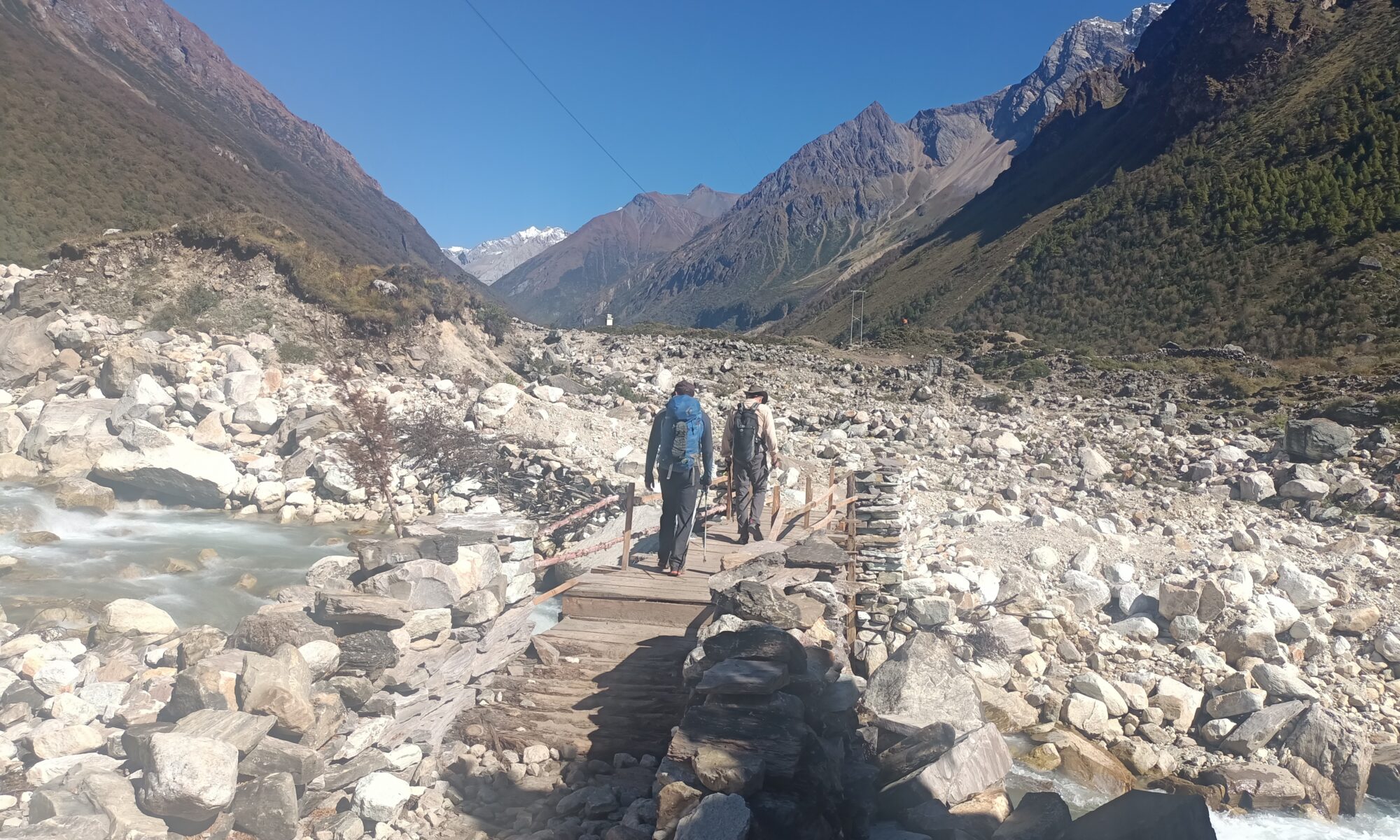
This trek takes you from the subtropical warmth of Machhakhola at 850 meters to the snow-covered Larke Pass at 5,106 meters over 12-16 days. You’ll walk through pristine forests, cross suspension bridges over roaring rivers, climb steep mountain passes, and experience some of Nepal’s most untouched landscapes. It’s challenging, remote, and absolutely worth every step.
The honest truth? If you’re moderately fit, properly prepared, and willing to respect the mountain, you can successfully complete the Manaslu Circuit Trek. But preparation matters, and understanding what you’re getting into makes all the difference.
Is the Manaslu Circuit Trek Really Difficult?
The short answer: Yes, but not impossibly so.
The Manaslu Circuit falls into the moderate to challenging difficulty category – harder than the Everest Base Camp Trek, but more manageable than attempting high-altitude summits. What makes it challenging isn’t just the altitude or the daily walking hours, but the combination of factors working together.
Here’s what creates the difficulty:
- High altitude exposure: You’ll spend 8-10 days above 3,000 meters, where oxygen is thinner
- Remote location: Unlike busier trekking routes, you’ll have limited escape routes if things go wrong
- Weather unpredictability: Sudden storms and cold temperatures are common, especially near the pass
- Sustained daily walking: Most days involve 5-7 hours of uphill or downhill trekking
- Isolation: Limited facilities, few trekkers, and basic accommodation
That said, we’ve seen trekkers of varying fitness levels complete this trek successfully. What matters isn’t whether you’re a superhero athlete—it’s whether you’re willing to train, acclimatize properly, and listen to your body.
Understanding the Trek Statistics
Distance and Daily Walking Hours
The Manaslu Circuit covers approximately 150-180 kilometers depending on your chosen route and any side trips you make. Here’s how the days typically break down:
Overall Structure:
- Total trekking days: 12-16 days depending on itinerary
- Average daily walking: 5-7 hours
- Longest walking days: 8-9 hours on lower-altitude valley sections
- Short acclimatization days: 2-4 hours
The First Section (Machhakhola to Namrung): Days are longer in terms of distance but lower altitude. You might walk 6-8 hours covering 15-20 km as you gradually climb from 850m to 2,600m. The terrain is relatively straightforward but the heat in lower sections can be tiring.
The Middle Section (Namrung to Samagaun): These days become progressively harder. Walks of 5-7 hours with steeper terrain. The altitude gain becomes noticeable. Days like Namrung to Lho (3,200m) involve steady climbing for 5-6 hours.
The High Altitude Section (Samagaun to Larke Pass): Shorter distances but much steeper. The climb from Samagaun (3,530m) toward the pass involves 6-8 hours of challenging terrain. We always build in a full acclimatization day at Samagaun before attempting the pass.
The Descent (Larke Pass to Dharapani): After the pass, you’re going downhill, but steep descents can be harder on knees than uphill sections. Expect 5-7 hours of careful, technical downhill walking.
Getting to and From the Trailhead
Don’t forget the transfers:
- Kathmandu to Machhakhola: 8-10 hours by jeep/bus (long and bumpy on mountain roads)
- Dharapani to Besisahar: 4-6 hours
- Besisahar to Kathmandu: 5-7 hours back
These transfers are tiring and should factor into your overall preparation timeline.
Altitude: The Real Challenge
Altitude is the biggest difficulty factor on the Manaslu Circuit Trek. It’s not something to fear, but it absolutely deserves respect.
How Altitude Affects You
At sea level, your body efficiently uses oxygen. As you climb higher, the air becomes thinner. At 3,500 meters, there’s roughly 60% of the oxygen available at sea level. By the time you reach Larke Pass at 5,106 meters, you’re dealing with about half the available oxygen.
What does this feel like?
- Your heart beats faster during simple activities
- You get breathless walking uphill
- Sleep becomes lighter and more restless
- Your appetite can disappear
- Headaches are common
- Thinking feels slower and more difficult
This happens to almost everyone – even very fit athletes. It’s not a sign of weakness. Your body is simply adjusting to less available oxygen.
Acute Mountain Sickness (AMS)
This is the real concern on the Manaslu Circuit Trek. AMS happens when you climb too high too fast. Symptoms include:
- Headache (the most common symptom)
- Nausea or loss of appetite
- Dizziness or lightheadedness
- Shortness of breath during rest
- Sleep disturbance
- General fatigue
Important: These symptoms are normal and temporary for many trekkers. But if they get worse (especially persistent vomiting, confusion, or severe shortness of breath even at rest), you need to descend immediately.
How to Minimize Altitude Problems
1. Gradual Acclimatization Don’t climb more than 300-500 meters per day above 3,000 meters. This is why we plan the route to gradually increase altitude. We reach Namrung (2,600m), then Lho (3,200m), then Samagaun (3,530m). Each step allows your body to adjust.
2. Acclimatization Days We include a full acclimatization day at Samagaun, where you rest and possibly take a short walk to higher altitude (3,800m area) and return to sleep at lower altitude. This “climb high, sleep low” principle is crucial.
3. Stay Hydrated Drink 3-4 liters of water daily. The altitude and dry air dehydrate you quickly. Most AMS symptoms improve with better hydration.
4. Eat Regularly Even if you’re not hungry, eat small frequent meals. Your body needs fuel to function at altitude.
5. Avoid Alcohol and Sleeping Pills Alcohol and sleeping pills can worsen altitude sickness by affecting how your body processes oxygen.
6. Consider Diamox If you have a history of altitude sickness, discuss Diamox with your doctor before the trek. Some trekkers use it as prevention, but it should supplement acclimatization, not replace it.
7. Monitor Your Symptoms Keep track of how you’re feeling. If you develop AMS, your guide may recommend a rest day or descent. This is not failure—this is listening to your body.
The Larke Pass: The Crux of the Trek
At 5,106 meters, the Larke Pass is the highest and most technical point of the trek. It’s the moment that defines the entire experience.
What to Expect
The approach to the pass starts from Dharmasala (4,460m) in the early morning, usually around 3-4 AM. You’re climbing in darkness with headlamps, ascending steep slopes covered in scree (loose rocks), moraine (glacier debris), and often snow and ice.
The terrain is unforgiving. The trail narrows as you climb higher. Wind can be intense. At the pass itself, visibility can be poor due to clouds or snow. The cold is significant – you’ll experience temperatures around -5 to -15°C depending on season.
Most trekkers find the pass psychologically challenging as much as physically. You’re tired from weeks of trekking, the altitude is making you feel foggy, the terrain is technical, and the weather feels unpredictable.
Technical Requirements
For the Larke Pass crossing, you need:
- Good trekking boots with ankle support
- Microspikes or crampons (especially October through April)
- Trekking poles (essential for balance)
- A warm down jacket
- Hat and gloves
- Sunglasses (sun reflection off snow is intense)
Our guides carry the technical gear and know how to use it. If you haven’t used microspikes before, we train you in advance.
Timing Is Everything
We leave Dharmasala before dawn for several reasons:
- Morning snow is firmer and safer for walking
- Afternoon thunderstorms are common – by leaving early, you summit and descend before they hit
- Wind speeds are typically lower in early morning
- You summit and descend in daylight
This 3-4 AM start feels brutal, but it’s the difference between a safe crossing and a dangerous one.
What Happens on the Other Side
After summitting the pass, you descend steeply into the Marsyangdi Valley or toward Bimthang. This descent can be harder on your knees than the ascent. The terrain is steep, loose, and requires careful footing. Most trekkers take 4-5 hours for the descent.
Daily Walking Hours and Physical Demands
Let’s get specific about what each day feels like physically.
Lower Altitude Days (850-2,000m)
- Walking time: 6-8 hours
- Terrain: River valleys, some suspension bridges, mixed terrain
- Physical demand: Your legs are fresh, but heat and humidity can be exhausting
- Challenges: Slip hazards in monsoon, river crossings, trail footing
Mid-Altitude Days (2,000-3,200m)
- Walking time: 5-7 hours
- Terrain: Steadily climbing through forests and along hillsides
- Physical demand: You’re starting to feel the altitude, especially on uphill sections
- Challenges: Steeper terrain, exposure on narrow trails, variable weather
High-Altitude Days (3,200-4,100m)
- Walking time: 4-6 hours
- Terrain: Alpine meadows, rocky paths, exposed ridges
- Physical demand: Noticeably harder. The altitude is definite. Every step takes more effort.
- Challenges: Breathlessness on ascents, cold, weather changes, technical terrain
Larke Pass Day (4,100-5,106m)
- Walking time: 6-8 hours (including 3-4 hour ascent from Dharmasala)
- Terrain: Scree, moraine, snow, ice
- Physical demand: The hardest day. You’re tired, the altitude is intense, the terrain is technical
- Challenges: Cold, wind, altitude effects, psychological pressure
Descent Days (4,000-3,000m)
- Walking time: 5-7 hours
- Terrain: Steep downhill sections
- Physical demand: Easier on breathing but harder on knees
- Challenges: Concentration during long downhills, preventing blisters, fatigue
Physical Fitness Requirements
Here’s the honest assessment: You don’t need to be a superhero athlete, but you do need a solid fitness foundation.
What Fitness Level Do You Need?
Entry Level Requirements:
- You can walk uphill for 1-2 hours without stopping
- You can walk for 5+ hours in a day without excessive exhaustion
- Your legs and knees are reasonably strong
- You have a basic cardiovascular fitness level
- You don’t smoke or have uncontrolled health issues
Ideal Fitness Level:
- You can comfortably walk for 6-8 hours over varied terrain
- You do cardio exercise (running, cycling, stair climbing) 3-4 times weekly
- You have strong legs from regular hill walking or leg strength training
- You can walk with a 10-15kg pack without significant discomfort
- You have good core strength and balance
If You’re Starting From Lower Fitness: Yes, you can still do this trek but you need more preparation time. We recommend 4-5 months of consistent training rather than 3 months.
Specific Fitness Challenges
Knees: The sustained uphill and especially the downhill sections stress your knees significantly. If you have existing knee problems, discuss them with our guides. We can modify your pace and sometimes suggest descending more slowly.
Cardiovascular System: The thin air at altitude demands a healthy heart and lungs. If you have cardiac issues or uncontrolled high blood pressure, consult your doctor.
Muscular Endurance: Carrying a 5-7kg daypack while walking 6-8 hours daily requires muscular stamina. Your legs, core, and shoulders all get a workout.
Mental Toughness: Physical fitness is only part of the equation. The psychological demands of climbing in thin air, dealing with discomfort, and pushing through fatigue matter as much as leg strength.
Training Schedule: Preparation That Works
We recommend starting training 12-16 weeks before your trek. Here’s what actually works:
Months 1-2: Building Your Base
Cardio (3-4 times weekly):
- Running: 30-45 minutes at moderate pace
- Cycling: 45-60 minutes
- Stair climbing or elliptical: 30-45 minutes
- Swimming: 30-45 minutes
Pick 3-4 activities you enjoy. Variety prevents boredom and overuse injuries.
Strength Training (2-3 times weekly):
- Squats: 3 sets of 10-15 reps
- Lunges: 3 sets of 10 reps per leg
- Step-ups: 3 sets of 12 reps
- Calf raises: 3 sets of 15 reps
- Core work: planks, bridges, dead bugs (10-30 seconds/20 reps)
- Upper body: rows, push-ups (for balance while carrying pack)
Months 2-3: Building Specific Trekking Fitness
Outdoor Hill Walking (1-2 times weekly):
- Find hills or mountains near you
- Walk uphill with a loaded backpack (start with 5-7kg, progress to 10-12kg)
- Walk for 4-6 hours
- Include varied terrain (rocky, muddy, grassy)
Stair Work:
- Stadium stairs or building stairwells
- 20-30 minute sessions once weekly
- Carry your backpack while climbing
Long Walks (1-2 times weekly):
- 8-12 km walks on flat terrain or gentle rolling hills
- Practice good walking technique and pacing
- This builds walking economy and endurance
Month 4+: Peak Preparation
Multi-day Hiking Trips:
- If possible, do 2-3 day hiking trips with camping
- This trains your body for consecutive walking days
- You learn how your body responds to cumulative fatigue
Altitude Training (if possible):
- Sleep at 1,500-2,000m altitude if you have access
- This stimulates acclimatization adaptations
- Prevents altitude shock
Flexibility and Recovery:
- Add yoga or stretching 2-3 times weekly
- This prevents injury and improves recovery
- Focus on hip flexors, hamstrings, and calf stretches
Test Your Gear:
- Break in your trekking boots on long walks
- Do multi-hour walks with your backpack fully loaded
- Test your sleeping bag in cool conditions
- Identify any gear that doesn’t work for you
How Season Affects Difficulty
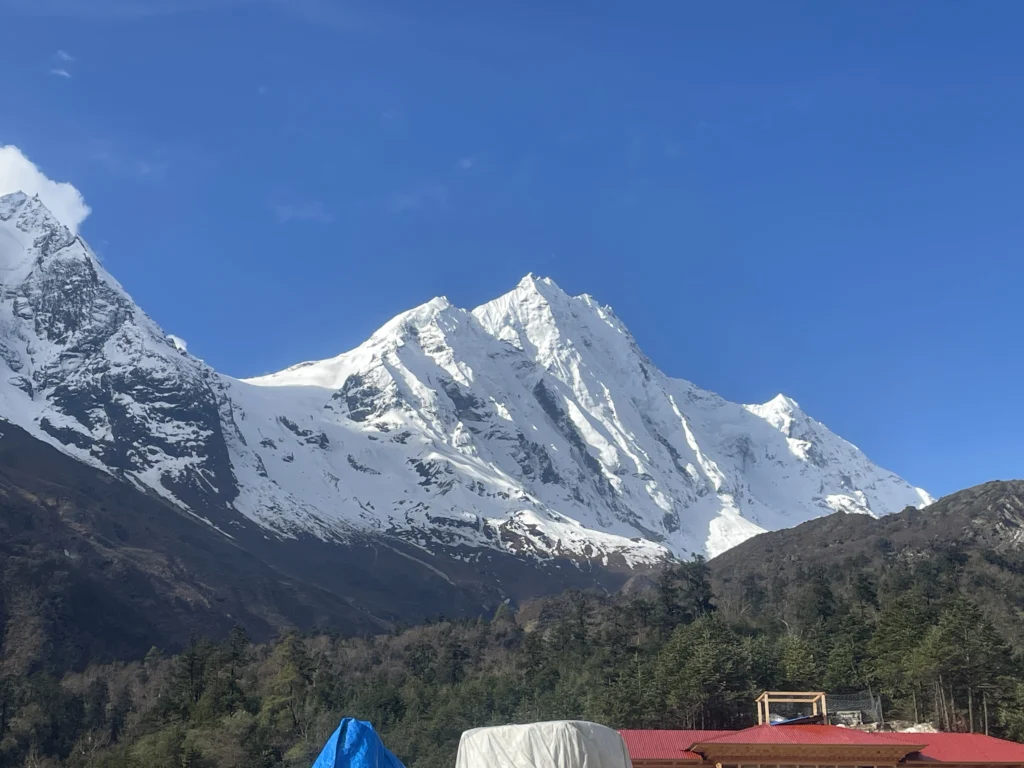
Nepal has four distinct seasons, and each dramatically changes the Manaslu Circuit experience.
Autumn (September-November): The Ideal Season
This is when most trekkers visit and for good reason.
Weather: Clear skies, stable conditions, low rainfall
Temperature: Cool mornings (-5 to 0°C at high altitude), pleasant days (10-15°C lower down)
Snow Conditions: Minimal snow above 4,000m. Larke Pass is usually snow-free, but microspikes might still be useful in early September
Difficulty: Moderate
Best for: Almost all trekkers, especially first-timers
Challenges: This is peak season, so trails are more crowded. Accommodation can be full. We recommend booking ahead.
Spring (March-May): The Beautiful Season
Trekkers love spring for the rhododendron flowers and warmer weather.
Weather: Generally stable, though afternoon storms become more common toward May
Temperature: Warmer days (15-20°C lower down), cool nights still cold at altitude
Snow Conditions: Residual snow can persist at Larke Pass into April-May, requiring microspikes
Visibility: Generally good, though haze increases toward May
Difficulty: Moderate to Moderately Challenging
Best for: Trekkers who prefer warmer weather and flower blooms
Challenges: Post-monsoon erosion means trails can be damaged. Some areas may be under repair.
Winter (December-February): For Experienced Trekkers Only
We don’t recommend this for first-timers.
Weather: Clear but cold. Strong winds at altitude. Occasional snowfall
Temperature: Freezing at Larke Pass (-15 to -20°C possible). Nights above 4,000m are brutal
Snow Conditions: Significant snow above 3,500m. Larke Pass is heavily snow-covered. Crampons and ice axe knowledge essential Daylight: Short days (sunrise around 7am, sunset around 5pm), limiting walking windows
Difficulty: Challenging to Very Challenging
Best for: Only very experienced trekkers with strong fitness and cold-weather experience
Why it’s harder:
- Snow avalanche risk increases
- Route-finding is difficult in heavy snow
- Extreme cold affects equipment and bodies
- Shorter daylight limits progress
Monsoon (June-August): Not Recommended
We seriously discourage trekking during monsoon.
Weather: Heavy daily rainfall, especially afternoons. High humidity
Trail Conditions: Muddy and slippery. Landslides block roads between Kathmandu and the trailhead. Suspension bridges can be dangerous
Visibility: Clouds often obscure views of mountains
Difficulty: Very Challenging
Problems:
- Road access to Machhakhola may be cut off by landslides
- Trails are dangerous and muddy
- Few trekkers means fewer well-maintained routes
- Teahouses are basic and often full of insects
The only advantage: Fewer trekkers, lower prices. If you’re an experienced mountaineer seeking solitude, you might consider it—but it’s genuinely risky.
Remote Location and Isolation Challenges
The Manaslu Circuit is one of Nepal’s most remote treks. This remoteness is what makes it special, but it also creates challenges.
What “Remote” Actually Means
Unlike the Everest Base Camp Trek or Annapurna Circuit, which have established infrastructure and regular trekker traffic, the Manaslu Circuit remains relatively untouched.
Village Spacing: Teahouses are often 4-6 hours apart. If something goes wrong, you’re not close to rescue options.
Limited Services: Villages above 3,000m have:
- No ATMs or money exchange
- No pharmacies with advanced medications
- Basic medical clinics staffed by one person
- Limited food variety
- Spotty or nonexistent electricity
Poor Road Access: The only road to the trailhead (Machhakhola) is a rough mountain road. Landslides can block access. During monsoon, this road sometimes becomes impassable.
No Evacuation Infrastructure: Unlike popular trekking routes where helicopters can land at multiple points, the Manaslu Circuit has few helicopter landing zones. Evacuation can take many hours.
Limited Connectivity
This is something trekkers often underestimate.
Mobile Signal:
- Present up to Namrung (2,600m)
- Spotty between Namrung and Lho
- Essentially zero from Lho to Dharapani
Internet:
- Some teahouses in lower villages have Wi-Fi
- Samagaun has one or two places with satellite internet (very slow)
- Above Samagaun, forget about it
Communication Strategy:
- Tell your family your expected itinerary before you leave
- Provide emergency contact numbers for your trek operator
- Some guides carry satellite messengers for true emergencies
- You can send messages from Samagaun if you need to communicate
This is actually liberating for many trekkers – a true disconnect from technology. But if you need constant connection, this might not be the trek for you.
Terrain Conditions and Trail Hazards
The terrain changes dramatically as you climb.
River Valley Section (Days 1-3)
From Machhakhola to Deng, you’re walking alongside the Budhi Gandaki River.
Characteristics:
- Narrow trails cut into cliff faces
- Suspension bridges over roaring rivers
- Hot, humid conditions
- Some exposure (trail right next to steep drop-offs)
Hazards:
- Slip risk, especially in monsoon when trails are muddy
- Rope bridges can sway and feel intimidating
- Heat exhaustion if you’re not drinking enough water
- River crossings can be deeper after heavy rain
What You Need:
- Good traction on boots
- Confidence on bridges (gently sway is normal, it’s designed that way)
- Sun protection
- Plenty of water
Forest Section (Days 3-5)
From Jagat through Namrung, you’re climbing through mixed forests.
Characteristics:
- Steeper terrain, some technical sections
- Dense forests (pine, rhododendron, other species)
- Increasingly cool temperatures
- Some sections can be muddy
Hazards:
- Root hazards on trail
- Leeches during monsoon season (common from June-September)
- Weather changes rapidly
- Trail footing can be tricky after rain
- Altitude starting to make itself felt
What You Need:
- Good boots with ankle support
- Gaiters if it’s monsoon (prevent leeches)
- Salt to remove leeches if they attach (though most don’t)
- Trekking poles for stability
Alpine Section (Days 5-8)
From Lho to Samagaun, terrain becomes dramatically alpine.
Characteristics:
- Alpine meadows and high valleys
- Rocky terrain and moraine fields
- Stark, exposed landscape
- Cold temperatures even during day
- Views of surrounding mountains
Hazards:
- Exposure on narrow sections
- Cold can intensify rapidly
- Weather is less predictable
- Altitude effects become noticeable
- Technical terrain requires careful footing
What You Need:
- Warm layers (don’t rely on one puffy jacket)
- Wind protection
- Hat and gloves even in spring/autumn
- Sure-footed boots
High Altitude/Pass Section (Days 8-10)
From Samagaun to Dharmasala and the pass crossing.
Characteristics:
- Glacial moraine fields
- Scree slopes
- High exposure on ridges
- Often snow and ice, especially above 4,500m
- Technical terrain throughout
Hazards:
- Steep scree slopes where slipping means sliding
- Ice and snow requiring microspikes or crampons
- Severe cold and wind
- Altitude effects at their worst
- Route-finding can be difficult in bad visibility
- High rockfall risk in some sections
What You Need:
- Microspikes or crampons (essential)
- Ice axe in winter (trained guides carry this)
- Multiple layers (can’t be overstated – you’ll get cold)
- Headlamp for early starts
- Sunglasses for snow glare
Accommodation and Food Along the Route
The Manaslu Circuit doesn’t offer luxury, but it offers authentic mountain experiences.
Accommodation Realities
Lower Altitude (Below 2,600m):
- Twin-bed rooms with blankets
- Basic attached bathrooms (squat toilets common)
- Simple but clean
- Cost: 400-800 NPR per night ($3-7 USD)
Mid Altitude (2,600-3,500m):
- Similar twin rooms
- Shared bathrooms increasingly common
- Heating is minimal (get a good sleeping bag)
- Cost: 800-1,500 NPR per night ($7-13 USD)
High Altitude (3,500m+):
- Very basic rooms, often unheated
- Outdoor pit toilets (yes, really)
- Minimal amenities
- Bring your own sleeping liner for hygiene
- Cost: 1,000-2,000 NPR per night ($8-17 USD)
Our Honest Advice:
- Bring a good sleeping bag rated for -10°C or lower
- Carry a silk or cotton sleeping liner for hygiene
- Don’t expect hot water above 3,000m
- Accept that bathrooms will be basic
- Many trekkers find this rusticity part of the appeal
Food Situation
What’s Available: Dal bhat (rice with lentils), noodles, momos (dumplings), pancakes, tea, eggs.
What’s NOT Available: Fresh vegetables above Namrung. Meat becomes unavailable above 2,600m due to preservation issues. Fancy desserts. Your home cuisine.
Dietary Requirements:
- Vegetarian: Easy, most food is naturally vegetarian
- Vegan: Possible but requires communication with teahouse owners in advance
- Gluten-free: Challenging; bring backup snacks
- Allergies: Tell your guide immediately
Food Strategy:
- Eat whenever food is available (don’t count on specific meals)
- Pre-order dinner if there are large groups
- Bring energy bars and nuts as backup
- Stay hydrated—drink 3-4 liters daily
- At altitude, eat small frequent meals rather than large ones
Cost of Meals:
- Breakfast: 200-400 NPR ($2-3)
- Lunch: 300-600 NPR ($3-5)
- Dinner: 400-700 NPR ($3-6)
Budget extra cash in low denominations – ATMs don’t exist on the trek.
Mental and Emotional Challenge
Physical fitness gets all the attention, but the mental side might be harder.
Isolation and Solitude
Unlike popular treks with hundreds of trekkers daily, the Manaslu Circuit can feel lonely. You might walk for hours seeing no other trekkers. Village interactions are limited due to language barriers. The mountains are beautiful but relentless.
What Trekkers Report:
- Feeling small and insignificant
- Moments of loneliness, especially on long walking days
- Questioning why you’re doing this (usually around day 6-8)
- Frustration with slow progress
What Helps:
- Embrace the solitude rather than fight it
- Journal about your experiences daily
- Take photos and notice small details
- Talk with your guide and porters
- Connect with other trekkers you meet
- Remember that this feeling is temporary and often deeply rewarding
Fatigue and Discomfort
By day 7-8, cumulative fatigue is real. Your legs hurt. Your feet are sore. The cold at altitude is getting to you. Rest days don’t seem to help much.
This is Normal: Almost every trekker experiences this. It doesn’t mean you should quit—it means you’re acclimatizing and approaching the challenge.
What Helps:
- Expect discomfort and accept it
- Focus on one day at a time, not the whole trek
- Celebrate small wins (reaching the next teahouse, one more day done)
- Trust your guide’s experience
- Remember that millions of people have felt exactly this way on this exact trail
The Challenge of Altitude Discomfort
The altitude creates a unique discomfort that’s hard to describe to people who haven’t experienced it.
- Altitude Fog: Your thinking is slower. You forget words. Simple math seems hard. This is normal altitude’s effect on cognitive function.
- Emotional Sensitivity: Small frustrations feel huge at altitude. Weather changes affect your mood. The lack of oxygen influences your emotional state.
- Insomnia: Sleep is light and frequently disrupted. Rest nights at altitude don’t feel restful.
What Helps:
- Know that these feelings will pass once you descend
- Communicate with your guide about how you’re feeling
- Don’t make big decisions at altitude (you’re thinking isn’t sharp)
- Be kind to yourself—you’re doing something genuinely hard
The Role of Guides and Porters
This is crucial: Guides and porters don’t just reduce difficulty; they transform the entire experience.
What Your Guide Does
Navigation and Safety:
- Knows the route intimately, including backup options
- Identifies hazards (loose rocks, slippery sections, dangerous bridges)
- Makes crucial decisions about pacing and stopping
- Watches for signs of serious altitude sickness
Permits and Logistics:
- Handles Restricted Area Permit and Conservation Area permits
- Deals with checkpoints
- Arranges accommodation (crucial during peak season)
- Coordinates with porters and other guides
Cultural Bridge:
- Translates language and cultural context
- Introduces you to villages and people
- Explains traditions and history
- Creates meaningful interactions
Medical and Emergency Response:
- Carries basic medical supplies and oxygen
- Recognizes altitude sickness symptoms
- Makes evacuation decisions
- Can radio for help via satellite phone
Morale Support:
- Encourages you on hard days
- Shares trail knowledge and mountain wisdom
- Celebrates your achievements
- Keeps spirits up during difficult moments
What Porters Do
Porters carry 15-20kg of your belongings, allowing you to trek with just a 5-7kg daypack.
Why This Matters:
- You conserve energy for walking and acclimatization
- Your knees and joints experience less stress
- You recover better each night
- You have more enjoyment and less focus on pain
Fair Porter Treatment:
- Ensure porters have adequate clothes (their gear is often minimal)
- Don’t overload porters despite what they claim they can carry
- Share energy snacks with them
- Respect their experience and knowledge
Our Approach at Around Manaslu Trek
We employ experienced local guides with deep knowledge of the region. Our guides have trekked the circuit hundreds of times. They understand acclimatization, they know the terrain intimately, and they genuinely care about their trekkers’ wellbeing.
We also ensure fair wages and working conditions for all staff. This isn’t just ethical—it means you get dedicated, motivated guides rather than people doing the minimum.
Acclimatization Strategy That Works
Proper acclimatization is the single most important factor for trek success.
The Principles
Gradual Ascent: Don’t climb more than 300-500m per day above 3,000m. Our itinerary respects this principle.
Climb High, Sleep Low: On acclimatization days, you walk to higher elevation and return to sleep at lower elevation. This stimulates your body’s acclimatization response without the danger of sleeping too high.
Rest Days: Proper rest days aren’t just walking slowly – they’re full rest where you stay at the same elevation.
Our Acclimatization Schedule
Day 1-3: Machhakhola to Deng (850m to 1,860m)
- Gain: ~1,000m over 3 days
- Moderate pace, acclimatization begins
- Adjustment to trekking routine
Day 4-5: Deng to Namrung (1,860m to 2,600m)
- Gain: ~740m over 2 days
- Slower pace, noticeable altitude effects begin
- Introduction to harder climbing
Day 6: Namrung – REST DAY
- Optional acclimatization walk to Lho and back
- Mostly rest and hydration
- Mental prep for higher altitude
Day 7: Namrung to Lho (2,600m to 3,200m)
- Gain: ~600m, one day
- Shorter walking day despite altitude gain
- Building acclimatization
Day 8: Lho to Samagaun (3,200m to 3,530m)
- Gain: ~330m, one day
- Easy walk, but you’re in real altitude now
- Acclimatization pace
Day 9: Samagaun – FULL REST AND ACCLIMATIZATION DAY
- Acclimatization walk to Birendra Lake (3,691m) or Manaslu Base Camp area (4,400m)
- Walk up, return to sleep at 3,530m
- Critical rest before higher altitude
- Allows guides to assess your altitude response
- Optional: Visit local monastery and experience village life
Day 10: Samagaun to Dharmasala (3,530m to 4,460m)
- Gain: ~930m over one day—our biggest single day gain
- Worth it because you’ve been properly acclimatizing
- Only 4-5 hours of hiking
- Dharmasala is often windy and exposed
Day 11: Dharmasala – REST/ACCLIMATIZATION DAY
- Early bed for 3-4 AM wake-up
- Acclimatization walk possible if feeling good (4,700m area)
- Gear check and mental prep for pass
- Light meals only
Day 12: Larke Pass Day (4,460m to 3,500m)
- 3-4 AM departure
- The big day
- Descent to relative comfort afterward
Key Acclimatization Principles We Follow
- Never go to bed higher than the previous night until after the pass
- Rest or easy days after significant gains
- Include two full rest days before Larke Pass
- Watch trekkers daily for altitude response
- Be flexible – if someone’s struggling, we rest extra days
- Make descent decisions, not just ascent decisions
Safety: What You Need to Know
Insurance Is Non-Negotiable
Standard travel insurance doesn’t cover trekking above 3,000m. You need high-altitude trekking insurance that covers:
- Trekking up to 6,000m minimum
- Helicopter evacuation (can cost $5,000-10,000)
- Medical treatment
- Evacuation to hospital
We recommend trekking-specific policies from companies like World Nomads, Safety Wing, or regional providers. Verify coverage before departure.
Evacuation Reality
This is the unpleasant truth: If something goes seriously wrong (severe altitude sickness, broken bone, heart issue), evacuation from the Manaslu Circuit is slow and expensive.
Evacuation Options:
- Walk down (if capable, takes 1-3 days to lower elevation with medical care)
- Helicopter evacuation (takes 4-8 hours to arrange, costs thousands)
- Combination (walk to helicopter landing zone, then fly to hospital)
This is why:
- Acclimatization matters – prevents 80% of altitude problems
- Guides’ experience matters – they catch problems early
- Your fitness matters – you’re more likely to recover
- Insurance matters – you won’t face financial disaster
Health Screening Before the Trek
If you have or suspect you have:
- Heart problems or high blood pressure
- Lung issues (asthma, COPD)
- Diabetes
- Sleep apnea
- Recent surgery or injury
- Pregnancy
Talk to your doctor and our trek operator before booking. Some conditions make the trek unwise. Others just need management planning.
What to Bring for Medical Issues
- Any prescription medications (bring extras)
- Common medications (ibuprofen, antihistamine, stomach medication)
- Blister treatment (critical)
- Altitude sickness medication (Diamox if prescribed)
- Sunscreen and lip balm (sun is intense)
- Pain relief for muscle soreness
- Any specific medications for your conditions
Packing Strategically
Success depends on packing light but smart.
The Core System
Backpack: 40-50 liters
- Too small: you’re uncomfortable
- Too large: you carry more than necessary
- Weight matters – a heavy empty pack is still heavy
Daypack: 20-25 liters
- This is what you carry while porters carry main pack
- Daily essentials: water, snacks, camera, sun protection, rain jacket
Clothing System (Layering Is Essential)
Base Layers:
- 2-3 moisture-wicking base layer tops
- Don’t use cotton (it traps moisture)
- Merino wool or synthetic are best
Mid Layers:
- Fleece top (warm, compressible)
- Wool or synthetic pants
Outer Layer:
- Waterproof rain jacket
- Waterproof rain pants
Insulation:
- Down jacket (absolutely necessary)
- This is not negotiable above 3,500m
Extras:
- Extra socks (5-6 pairs)
- Hat and gloves
- Thermal underwear
- T-shirt or sun-protective shirt
Footwear
Trekking Boots:
- Must be broken in before trek (start your training in them)
- Ankle support is important
- Good grip for slippery terrain
- Waterproof is ideal
Camp Shoes:
- Lightweight sandals or casual shoes
- Rest your feet in evening
Socks:
- Merino wool, not cotton
- Bring 6-7 pairs to rotate
Sleeping System
Sleeping Bag:
- Temperature rating: -10°C or lower
- This is non-negotiable
- Teahouse blankets are insufficient above 3,000m
- Weight matters—modern lightweight bags are worth the cost
Sleeping Pad:
- Helpful for insulation and comfort
- Optional but recommended
Sleeping Liner:
- Silk or lightweight synthetic
- Keeps your sleeping bag clean
- Adds insulation
Essential Gear
- Trekking poles (reduce knee strain)
- Microspikes (essential for icy sections)
- Headlamp (dawn starts require this)
- Water bottle or hydration bladder (3-4 liters capacity)
- Sunglasses (sun reflection off snow is intense)
- Sunscreen
- Toiletries (minimal—teahouses have basic soap)
- First aid kit
- Medications
What NOT to Bring
- Heavy camera equipment (phone camera is sufficient)
- Excessive toiletries
- Paperback books (heavy for reading time)
- Multiple pairs of pants
- Bulky items “just in case”
Total pack weight should be: 10-15kg including sleeping bag. Porters carry the rest.
Comparing Difficulty: Manaslu vs Other Treks
Manaslu vs Everest Base Camp
Everest Base Camp:
- Maximum altitude: 5,364m (higher than Manaslu)
- Better infrastructure: teahouses everywhere
- More crowded: thousands of trekkers annually
- More rescue options: helicopter pads multiple places
- Easier descent: you walk down a well-established route
- Overall difficulty: Moderate
Manaslu Circuit:
- Maximum altitude: 5,106m
- Limited infrastructure: teahouses sparse and basic
- Few trekkers: often alone on trail
- Fewer rescue options: evacuation takes longer
- Challenging descent: steep, technical terrain
- Overall difficulty: Moderate to Challenging
Verdict: Everest Base Camp is easier. Manaslu is more remote and technical, despite being slightly lower.
Manaslu vs Annapurna Circuit
Annapurna Circuit:
- Maximum altitude: Thorong La 5,416m
- Excellent infrastructure: lodges, restaurants, facilities
- Very crowded: thousands of trekkers
- Multiple route options: can modify based on conditions
- Easier logistics: buses, shops, services
- Overall difficulty: Moderate
Manaslu Circuit:
- Maximum altitude: 5,106m
- Basic infrastructure: simple teahouses
- Few trekkers: peaceful but isolated
- Limited options: stuck with main route
- Difficult logistics: what you carry is what you get
- Overall difficulty: Moderate to Challenging
Verdict: Annapurna is easier and more comfortable. Manaslu is more challenging and adventurous.
The Bottom Line
Manaslu is harder than both Everest Base Camp and Annapurna Circuit due to:
- Greater remoteness
- Less developed infrastructure
- More technical terrain, especially near Larke Pass
- Longer period in isolation at altitude
- Fewer escape/evacuation options
But it’s not harder than actual mountaineering. It’s hard in the way backcountry trekking is hard, not the way climbing 8,000m peaks is hard.
Honest Assessment: Who Can Do This Trek?
You Can Probably Do This Trek If:
- You can walk 6+ hours daily without excessive discomfort
- You have decent cardiovascular fitness
- You’re willing to train for 3-4 months
- You can handle discomfort (cold, fatigue, altitude)
- You respect the mountain and follow guide advice
- You’re mentally prepared for isolation
- You have good travel insurance
This Trek Might Be Too Hard If:
- You’ve never hiked at altitude before and haven’t trained
- You have heart, lung, or serious joint problems
- You’re completely sedentary currently
- You struggle with isolation or anxiety
- You need constant connectivity
- You require luxury or modern amenities
- You’re not willing to follow acclimatization protocols
Start With Another Trek If:
- You’ve never done any high-altitude trekking
- You’re concerned about your altitude tolerance
- You want your first experience to be comfortable
In this case, do Everest Base Camp or Annapurna first. Build your altitude confidence. Then attempt Manaslu.
What Makes the Difference: Success Factors
After guiding hundreds of trekkers, we’ve noticed consistent patterns in who succeeds and who struggles.
Success Factors (in order of importance):
- Proper acclimatization – More important than fitness level
- Good pacing – Moving steadily, not rushing
- Experienced guide – Quality guidance prevents most serious issues
- Preparation – Training and mental readiness
- Flexibility – Willingness to rest extra days, modify plans
- Attitude – Expecting difficulty but choosing to push forward
- Fitness – Important but less crucial than the above factors
- Good gear – Especially sleeping bag and boots
- Following instructions – Trusting guides, not ego-driven climbing
- Support system – Having encouragement helps psychologically
Interestingly, fitness level alone doesn’t determine success. We’ve seen very fit people quit and moderately fit people summit. The difference is usually attitude and willingness to respect the altitude.
Final Honest Assessment
The Manaslu Circuit Trek is genuinely challenging. It will test your body and mind. You’ll have moments of doubt and discomfort.
But here’s what happens to most trekkers: You discover you’re stronger than you thought. You connect with people from different cultures. You witness landscapes that few humans ever see. You experience the profound quiet of high mountains. You learn that you can do hard things.
The difficulty is part of what makes it worthwhile. Easy treks are pleasant. Hard treks are transformative.
If you’re reading this and thinking “Can I really do this?”—the answer is probably yes. Not because it’s easy, but because you have the capacity to grow and adapt. That’s what the Manaslu Circuit reveals about humans: we’re more capable than we believe.
At Around Manaslu Trek, we’ve guided trekkers from ages 20 to 70, from different fitness levels, from different countries. Most of them didn’t think they could do it. Most of them were wrong.
We’re not going to lie to you about the difficulty. But we will guide you, support you, and help you discover what you’re capable of.
Quick Frequently Asked Questions
How many days should I plan for the full trek? A full trek including transfers takes 14-16 days. We recommend 16 days for better acclimatization. You can do a faster 12-day itinerary, but acclimatization suffers.
What’s the best time to do the trek? Autumn (September-November) is ideal: stable weather, clear views, moderate difficulty. Spring (March-May) is also good but sometimes has residual snow. Avoid monsoon (June-August) and serious winter (December-February with snow).
Do I really need a guide? Yes. Nepal legally requires Manaslu trekkers to have permits only available through licensed operators. These operators must provide guides. Beyond legality, guides are essential for navigation, altitude safety, and cultural connection.
How much does it cost? Operator costs vary, but budget $100-150/day for a guided trek including accommodation, food, and guide. Porter costs are additional. Total trip cost including international flights: $2,500-4,000.
What if I get altitude sickness? Mild symptoms (headache, mild nausea) improve with rest and hydration. Serious symptoms require descent. This is why insurance and guide experience matter. Most trekkers experience mild symptoms; serious cases are rare with proper acclimatization.
Can I trek independently without a guide? No. Nepal requires Restricted Area Permits (mandatory for Manaslu), which are only issued to people with licensed guides through registered operators.
What’s the success rate? We see about 85-90% of properly prepared trekkers summit Larke Pass. The remaining 10-15% turn back due to illness, extreme weather, or personal decision. This is normal and not failure—sometimes listening to your body means not pushing higher.
Will I have sore muscles afterward? Almost certainly. Expect 3-5 days of sore legs, especially quads, after the trek. This is normal. Stretching, easy walking, and ibuprofen help.
Should I acclimatize in Kathmandu first? Kathmandu is at 1,400m, so it provides minimal acclimatization. Spending 2-3 days there to recover from travel is helpful, but don’t expect it to prevent altitude issues.
Can I skip the acclimatization day at Samagaun? No. This is the single most important safety day. Skipping it significantly increases altitude sickness risk. We’ve never seen this benefit a trekker.
What if I have to descend before Larke Pass? That’s okay. Reaching the pass is the goal, but your safety comes first. Some trekkers descend to resolve altitude sickness. You can still have a wonderful trek experience without summitting the pass.
How do I know if I’m fit enough? Do a 6-8 hour hike with elevation gain of 600-800m while carrying a 10kg pack. If you finish feeling tired but capable, you have baseline fitness. This should be possible to comfortable levels in your training.
Are there alternative routes if weather is bad? Limited options. The Manaslu Circuit is a defined route. Guides can modify the pace and timing, but not the fundamental route. Bad weather might delay you but won’t force an alternative.
Can I trek with my own porter without a full guide service? No. Same permit issue as above. You must book through a licensed operator.
Our Commitment to You
At Around Manaslu Trek, we’ve been guiding trekkers through this region for years. We know the trails, we understand the challenges, and we genuinely care about your success and safety.
Our approach:
- Honest assessment of difficulty and what’s required
- Experienced guides who know altitude sickness, weather patterns, and route variations
- Proper acclimatization built into every itinerary
- Fair treatment of all staff members
- Flexible planning that adapts to your needs
- Safety first without compromising the adventure
We won’t pretend the Manaslu Circuit Trek is easy. But with proper preparation, the right mindset, and experienced guides, it’s an achievable goal that will change how you see yourself and the world.
If you’re ready for the challenge, we’re ready to guide you safely to Larke Pass and through one of Nepal’s most incredible mountain experiences.