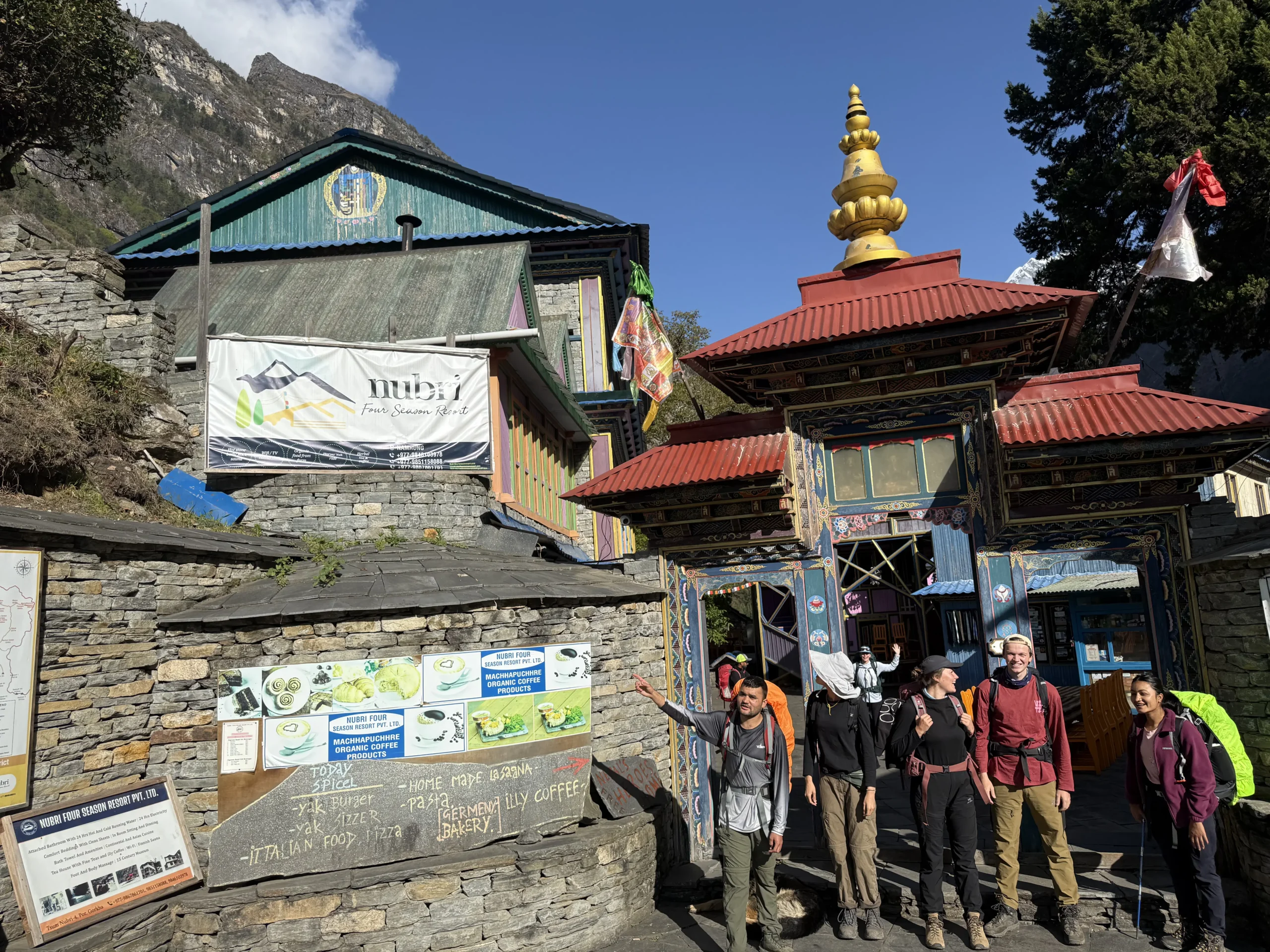
If you’re looking for a trekking destination that feels raw, real, and untouched, the Manaslu Conservation Area is calling your name. Tucked away in the northern part of Gorkha District in Nepal, this protected region sits in the shadow of the world’s eighth-highest mountain, Mount Manaslu (8,163 m). It’s dramatic, diverse, and genuinely off the beaten path.
I’ve trekked across Nepal for years, and the Manaslu region still surprises me every time. Whether you’re crossing high mountain passes, visiting ancient Buddhist monasteries, or spotting a snow leopard’s paw print in the snow, this place leaves a mark that doesn’t fade.
What Is the Manaslu Conservation Area?
The Manaslu Conservation Area (MCA) was officially established on December 28, 1998. It covers 1,663 sq. km and stretches from subtropical forests at around 600 meters all the way up to the icy peaks near Mount Manaslu at 8,163 meters. That’s an extraordinary range of landscapes in one protected zone.
The area is managed by the National Trust for Nature Conservation (NTNC) through the Manaslu Conservation Area Project (MCAP). The goal from day one has been simple: protect nature while helping local communities thrive. The project works closely with local Conservation Area Management Committees (CAMCs) to make sure the people who live here are at the center of conservation decisions.
Quick Fact: MCA was only the second conservation area to come under NTNC management, following the world-famous Annapurna Conservation Area.
Location and Geography
Where Exactly Is MCA?
MCA sits in Gorkha District, roughly 140 kilometres northwest of Kathmandu. The conservation area covers Tsumnubri Rural Municipality’s seven wards: Sirdibas, Chumchet, Chhekampar, Bihi, Prok, Lho, and Samagaun.
The region naturally divides into three distinct areas:
- Nubri Valley (northwestern zone) – covering Samagaun, Lho, and Prok
- Kutang (middle area) – the Bihi ward
- Tsum Valley (northeastern zone) – covering Chumchet and Chhekampar
Jagat village, situated in Sirdibas ward, serves as the main entrance point into the conservation area.
What Does the Terrain Look Like?
The landscape here is nothing short of breathtaking. Lower valleys are lush and green, watered by the powerful Budhi Gandaki River, which carves dramatic gorges through the mountains. As you climb higher, vegetation gives way to open alpine meadows, high-altitude glaciers, and snowy ridgelines.
This variety of terrain is exactly what makes trekking in Manaslu, Nepal such a rich experience. No two days on the trail feel the same.
Biodiversity of Manaslu: Flora and Fauna
Wildlife in Manaslu
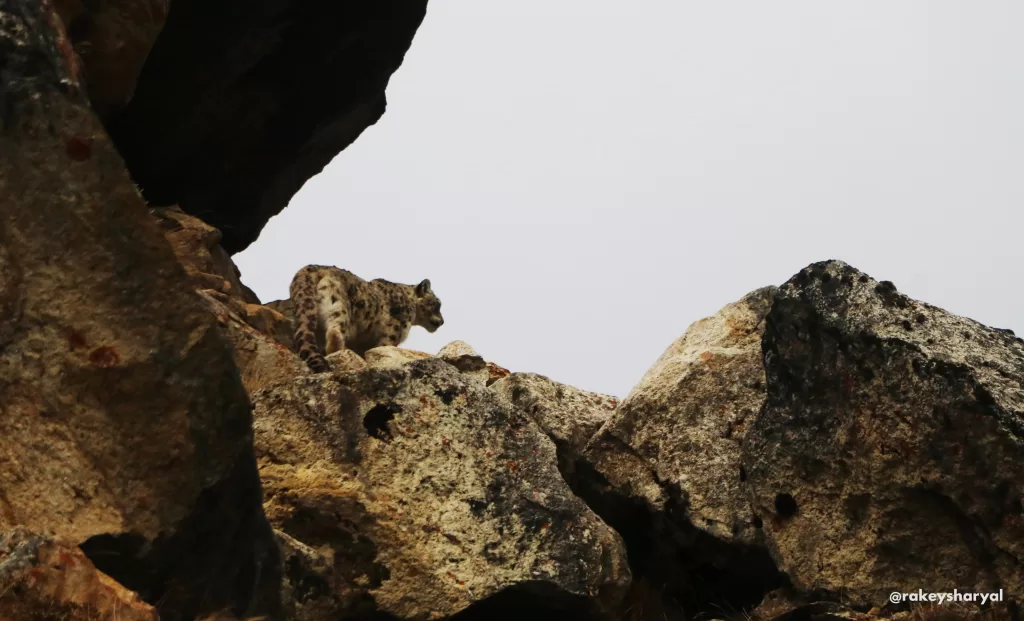
The MCA is one of Nepal’s most important biodiversity zones. Scientists have recorded 39 mammal species, 201 bird species, 3 reptile species, and 11 butterfly species across 11 distinct forest types.
Some of the most prized wildlife you might encounter (or hope to) includes:
- Snow Leopard (Panthera uncia) – elusive but present
- Red Panda (Ailurus fulgens) – endangered and rarely seen
- Musk Deer (Moschus spp.) – often spotted near tree lines
- Himalayan Tahr – grazing on steep rocky slopes
- Brown Bear and Himalayan Black Bear
- Blue Sheep (Bharal) – common above 3,500 metres
- Himalayan Serow, Himalayan Marmot, and Woolly Hare
Bird watchers will also have a field day here. Look out for the Himalayan Monal, Tibetan Snowcock, Golden Eagle, Himalayan Griffon, and Snow Partridge, among over 200 species.
Interesting Fact: Local Buddhist lamas (religious leaders) from the monasteries actively discourage any harm to wildlife. This spiritual protection has played a real role in keeping animal populations healthy in MCA.
Plant Life and Forests
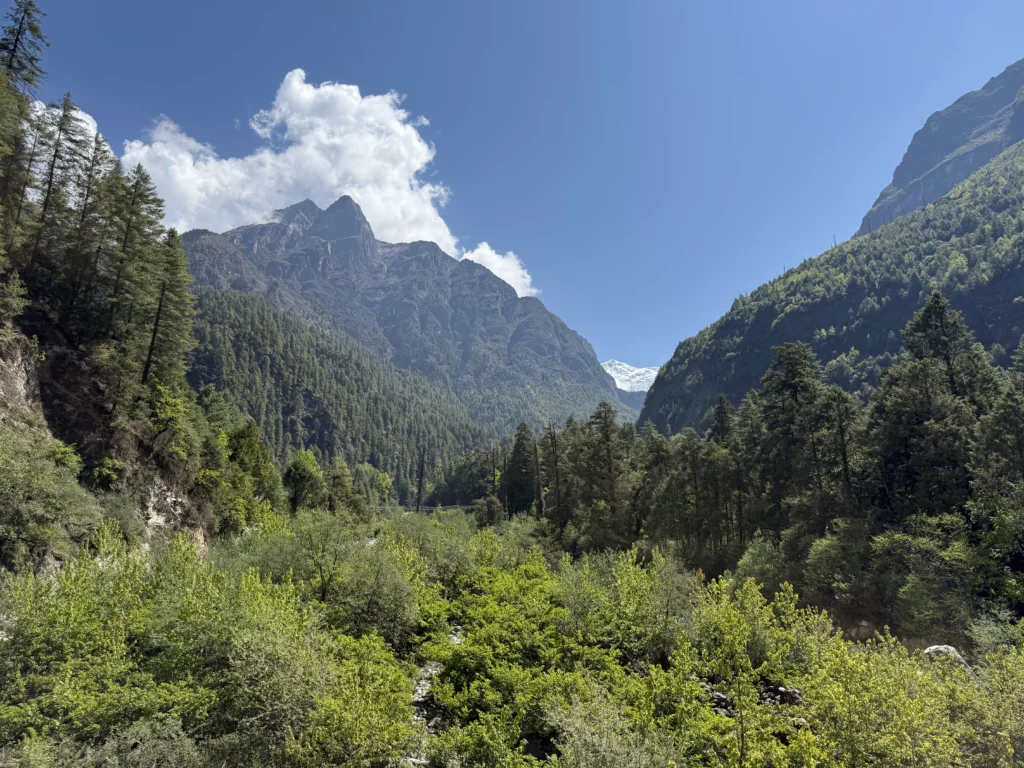
Over 2,000 plant species have been recorded in MCA. The forests shift dramatically as you gain altitude – from dense subtropical forests in the lower valleys to rhododendron and oak forests in the mid-hills, and eventually to bare alpine meadows near the snowline.
This range of vegetation supports both wildlife and local communities, who depend on forests for firewood, timber, and medicinal herbs.
Local Culture and Villages
Who Lives in MCA?
Around 9,000 people call the Manaslu Conservation Area home. Most communities are of Tibetan origin and follow Tibetan Buddhism. Ethnic groups include the Gurung, Tamang, and various Tibetan communities who have farmed and herded in these high valleys for generations.
Life here is simple but deeply rooted in tradition. People grow crops like buckwheat and barley, raise yaks, and supplement their income through trade and tourism. Agriculture is challenging; the growing season is short, temperatures are extreme, and arable land is limited. Because of this, the region has historically been food-deficit, making sustainable development all the more important.
Monasteries and Cultural Heritage
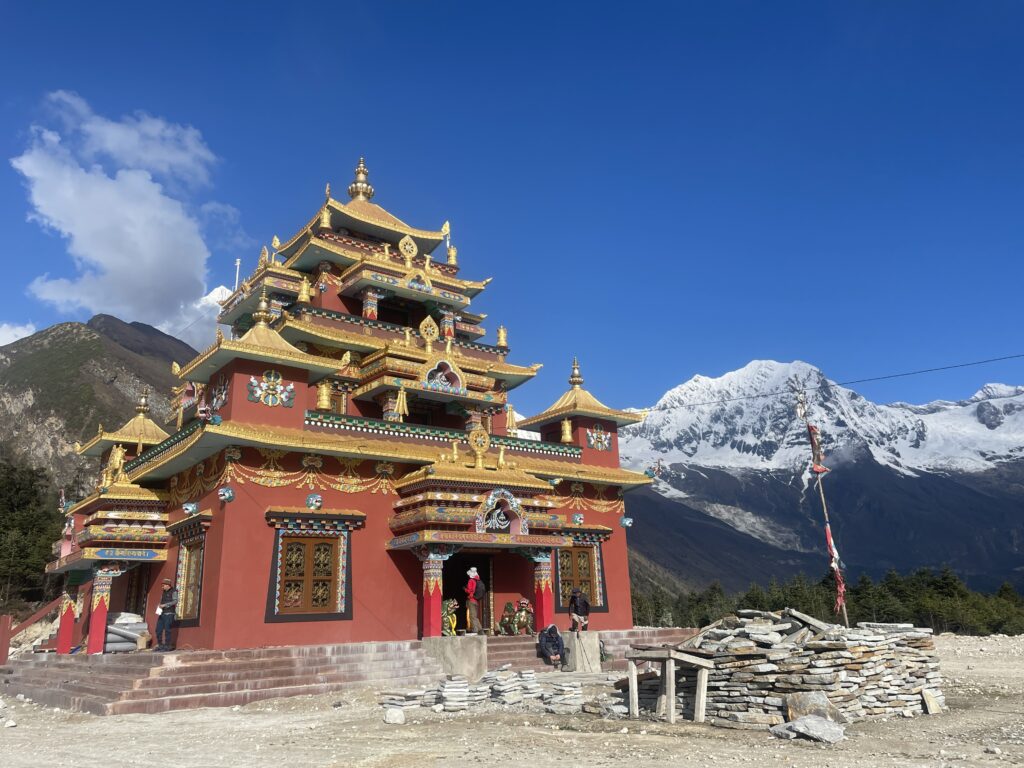
The Buddhist cultural landscape of MCA is stunning. Ancient monasteries dot the hillsides, each with its own history and spiritual significance. Some of the most notable include:
- Shringi Gompa in Bihi
- Mu Gompa in Chhekampar
- Rachen Gompa in Chhekampar – one of the largest nunneries in the region
- Pungyen Gompa near Samagaon
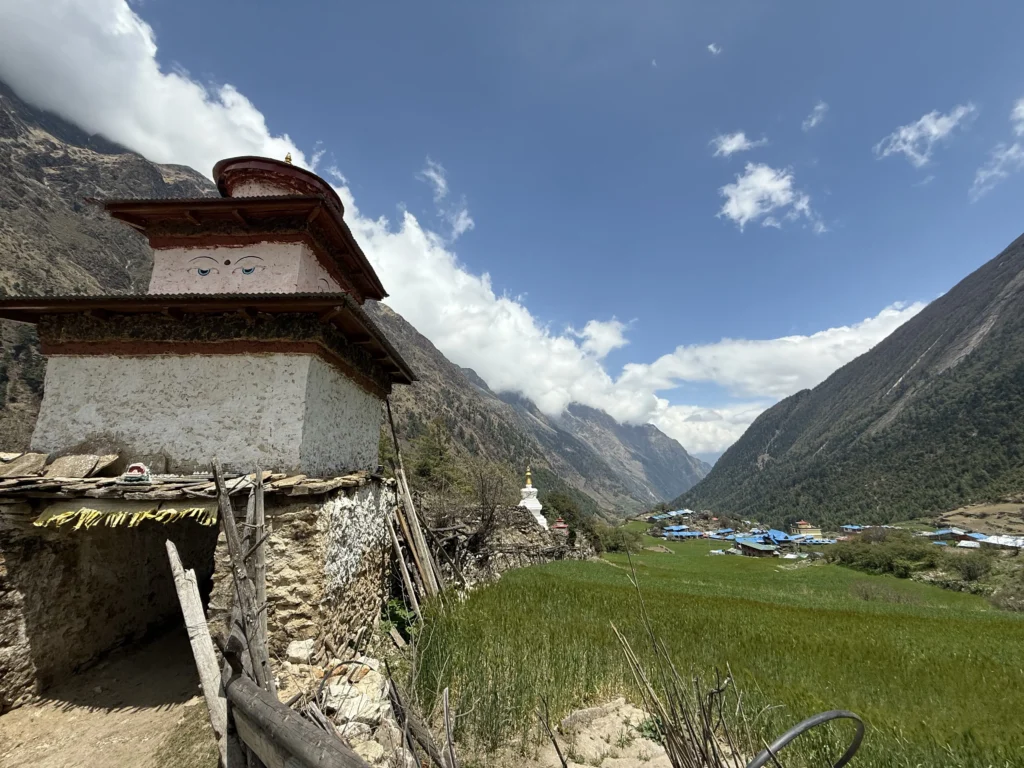
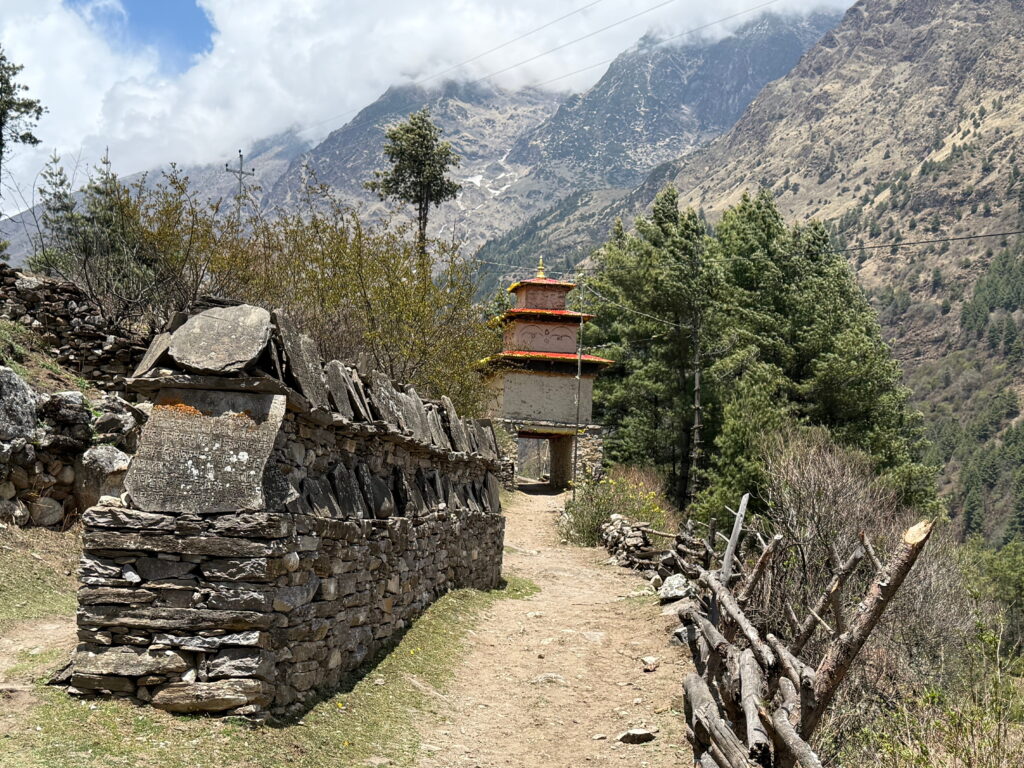
Walking through these villages, you’ll pass mani walls, colourful prayer flags, and stone chortens at every turn. The festival of Losar (Tibetan New Year) is celebrated with great joy and is one of the most authentic cultural experiences you can witness as a trekker.
The Importance of Conservation in the Manaslu Region
Why MCA Matters
The Manaslu region shares a border with the Tibet Autonomous Region of China, which gives it a semi-restricted status. This has naturally limited tourism growth and, paradoxically, helped preserve its wilderness. But it also means infrastructure development and basic services have lagged behind other trekking regions.
In the past, local communities had almost no access to clean water, electricity, schools, or healthcare. They were largely dependent on natural resources just to survive. Overuse of forests and natural ecosystems was a real and growing threat.
The Manaslu Conservation Area Project (MCAP), operating under the Integrated Conservation and Development Programme (ICDP) model, changed this equation. By putting local communities at the heart of resource management, MCAP has helped build:
- Eco-tourism infrastructure
- Improved trails and rest stops
- Community-led conservation committees
- Training programmes for local guides and conservation staff
- Awareness campaigns about protecting biodiversity
The results are tangible. Wildlife populations are more stable. Forests are better managed. And local people are earning a dignified income from trekking tourism rather than from unsustainable resource extraction.
Did You Know? More than 14,900 trekkers visited MCA in 2025 – a record at the time and the number has been growing rapidly since.
Trekking in Manaslu: What to Expect
Manaslu Circuit Trek
The Manaslu Circuit Trek is the crown jewel of trekking in this region. It covers roughly 177 kilometres and typically takes 14 to 18 days to complete. The highlight is crossing Larkya La Pass at 5,106 metres, which offers jaw-dropping views of Manaslu, Annapurna II, Hiunchuli, and dozens of other Himalayan giants.
This trek is rated moderate to challenging. You’ll need a good level of fitness, proper altitude acclimatization, and some prior trekking experience. But the rewards – quiet trails, dramatic landscapes, and authentic village stops — are completely worth it.
Tsum Valley Trek
The Tsum Valley Trek is a spiritual journey as much as a physical one. This remote valley was only opened to foreign trekkers in 2008, and it still retains a wonderful sense of isolation. Ancient monasteries, meditation caves, and deeply traditional villages make it unlike anything else in Nepal.
If you’re looking for Himalayan culture and nature combined in the most authentic way possible, Tsum Valley is hard to beat.
Short Treks in the Manaslu Region
Not everyone has three weeks to spare. Shorter routes focusing on key villages like Samagaon and Lho give you spectacular mountain views and meaningful cultural encounters in less time. These are great options for trekkers with tighter schedules who still want a genuine Himalayan experience.
Best Time to Visit Manaslu Conservation Area
Timing matters a lot in the mountains. Here’s a quick breakdown:
| Season | Months | Conditions |
|---|---|---|
| Spring | March – May | Warm, rhododendrons in bloom, clear skies |
| Autumn | September – November | Best visibility, stable weather, most popular |
| Winter | December – February | Cold but accessible; snow on the passes |
| Monsoon | June – August | Heavy rain, landslide risk, not recommended |
Autumn (September to November) is widely considered the best time to trek in Manaslu. Skies are crystal clear, temperatures are manageable, and the mountain views are at their finest.
Spring (March to May) is a close second, with the added bonus of wildflowers and rhododendron forests in full colour.
Permits and Regulations for Manaslu Trekking
Trekking in MCA requires several permits. Don’t skip this step – rangers check at multiple points along the trail.
Required Permits
- Manaslu Restricted Area Permit (RAP) – approximately USD 70 per person per week
- Manaslu Conservation Area Project (MCAP) Permit – approximately USD 50–60 per person
- Annapurna Conservation Area Project (ACAP) Permit – approximately USD 30 per person, required only if you exit via the Annapurna region
Important Rules
- A licensed guide is mandatory for all trekkers in MCA. Solo trekking without a guide is not permitted.
- You must trek in a minimum group of two people.
- All permits must be obtained through a registered trekking agency in Kathmandu or Pokhara.
These regulations exist for good reasons – they protect both trekkers and the conservation area itself. Please respect them.
Sustainable Tourism and Responsible Trekking
The Manaslu region is fragile. Tourism brings real benefits to local communities, but it also brings pressure on the environment. As a trekker, you have a responsibility to leave this place better than you found it.
Tips for Responsible Trekking in Manaslu
- Hire local. Use local guides, porters, and guesthouses. Your money goes directly into the community.
- Carry your rubbish out. Littering on trails is a serious problem. Pack a bag and take everything with you.
- Avoid single-use plastic. Bring a reusable water bottle and purification tablets or a filter.
- Stay on the trail. Going off marked paths damages fragile alpine ecosystems.
- Ask before photographing. Respect the privacy and dignity of local people, especially during religious ceremonies.
- Don’t feed wildlife. It disrupts natural behaviour and can harm animals.
- Support conservation fees. Permit fees directly fund conservation work and local development.
Final Thoughts: Why You Should Trek in the Manaslu Region
The Manaslu Conservation Area is one of Nepal’s most rewarding destinations precisely because it hasn’t been overdeveloped. You won’t find crowds here. You won’t find luxury lodges around every bend. What you will find is something rarer: a living, breathing mountain landscape where nature and culture exist in genuine balance.
From the endangered snow leopard moving silently through the high valleys to the monks chanting at ancient gompas, from the thundering Budhi Gandaki River to the silence at Larkya La Pass – every moment in Manaslu feels earned and meaningful.
Whether you’re an experienced Himalayan trekker or someone planning your first serious mountain adventure, the Manaslu region has something powerful to offer you. Trek here with curiosity, tread lightly, and you’ll carry this place with you long after you return home.
The mountains are waiting. Come explore Manaslu – responsibly.
Note: The Manaslu Conservation Area is managed by the National Trust for Nature Conservation (NTNC) through the Manaslu Conservation Area Project (MCAP). Always obtain permits through a licensed trekking agency and travel with a registered guide.